A beautifully packaged product can create an immediate impression, but what happens to its materials after the customer finishes using it? From cosmetic containers to retail displays, many everyday business decisions depend on items that serve a temporary purpose before entering the waste stream. Yet the environmental cost of that convenience extends far beyond the moment someone throws something away.
Growing interest in responsible consumption is changing why businesses are rethinking what they consider disposable. Companies are beginning to question whether materials that once seemed expendable could retain their usefulness through better design, longer lifespans, or new applications.
The Hidden Value of Materials We Throw Away
When businesses classify something as disposable, they typically consider its immediate function. A shipping container completes a delivery, a display supports a seasonal promotion, and protective packaging keeps merchandise intact until it reaches the customer. Once those purposes end, companies may treat the materials as waste even when they retain considerable physical value.
The distinction between an item’s intended lifespan and its actual usefulness deserves closer attention. Durable materials can survive repeated handling, while certain components retain enough quality for another application. Recognizing that potential encourages businesses to examine what they discard before purchasing replacements. It also raises a larger question about how much value companies lose when their systems prioritize convenience at the point of disposal.
Why Disposal Is Becoming a Business Decision
As businesses examine their environmental responsibilities, waste represents more than an issue for their cleaning or facilities teams. Every discarded item carries a history of material extraction, manufacturing, and transportation, making disposal part of a much larger environmental conversation. Replacing materials that could still serve a useful purpose creates additional demand for resources and increases the environmental impact of everyday operations.
Financial considerations strengthen the case for reassessment, particularly when companies regularly purchase replacements for materials that still have practical value. Keeping those items in circulation can reduce purchasing expenses, although businesses must weigh potential savings against the costs of maintaining reusable systems. When extending an item’s lifespan proves more economical than replacing it, reducing waste becomes an opportunity to improve operational efficiency.
Designing Products Beyond Their First Use
The possibility of extending a product’s useful life begins long before someone considers throwing it away. Designers influence whether an object can survive repeated handling, accept replacement components, or move into another application after its original purpose ends.
Consider a skincare brand choosing between an elaborate mixed-material container and a simpler package with removable components. The simpler design may make cleaning or material separation easier, although its environmental performance still depends on the materials and recovery systems involved. Similarly, furniture manufacturers can make repairs more practical by offering replacement parts for pieces that customers might otherwise discard.
These decisions change the relationship between appearance and longevity. Attractive design does not need to depend on novelty or frequent replacement. When brands consider future use during product development, they can create objects that remain desirable beyond the initial purchase.
Looking Beyond Traditional Waste Management
For decades, many businesses have concentrated their waste efforts on what happens after materials become unwanted. Recycling programs provide a familiar solution, but they cannot recover every material, particularly when products combine substances that are difficult to separate.
A broader perspective considers whether an item needs to become waste at all. The distinction between circular and linear economic models provides useful context for examining how businesses handle resources beyond a single use. Within that conversation, a material’s value depends partly on whether companies create practical opportunities to retain it.
Businesses can reconsider purchasing requirements, identify products suitable for repeated use, and evaluate whether existing materials could serve another purpose. Recycling continues to matter, but preventing unnecessary disposal can preserve more of an item’s original usefulness.
How Reuse Changes the Customer Experience
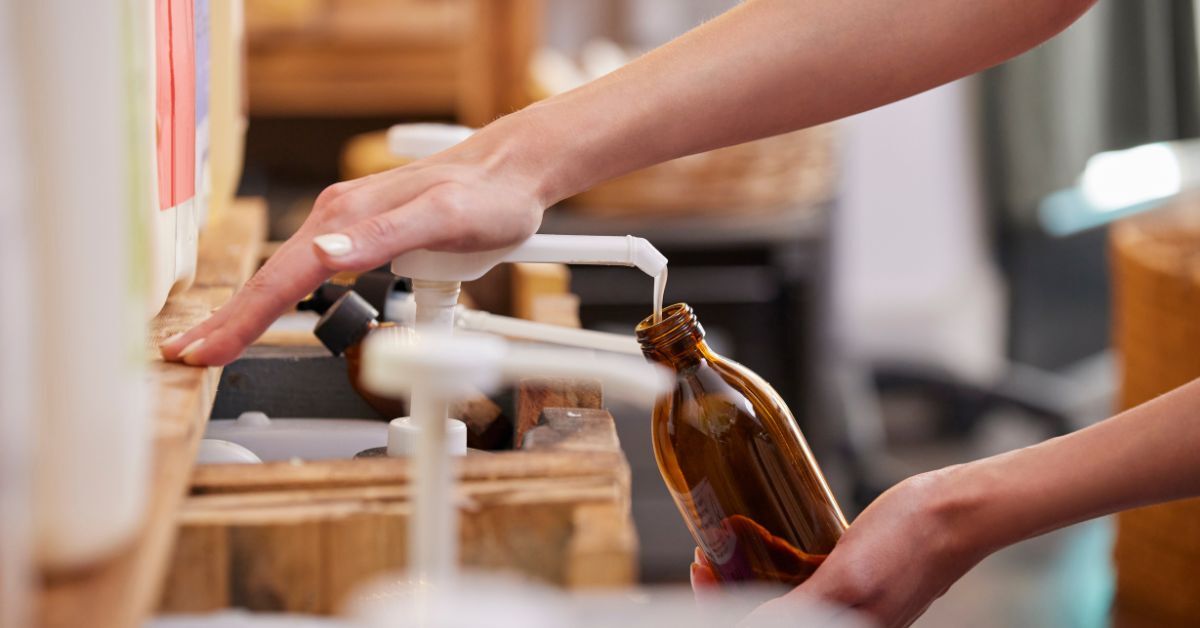
When brands introduce reusable packaging or returnable products, customers become participants in a different relationship with the objects they purchase. A refillable beauty container, for instance, encourages someone to keep an attractive vessel while replenishing its contents. The package becomes a lasting part of the experience, not something the customer immediately replaces.
However, sustainable intentions do not automatically translate into convenient habits. Return programs require accessible collection points, and refill systems must offer a practical alternative to purchasing another complete product. Customers may lose interest when participation demands excessive effort or when the environmental benefit feels uncertain.
Businesses therefore need to consider how their systems fit into everyday routines. Clear instructions, dependable availability, and thoughtful product design can make reuse feel like a natural extension of ownership. The strongest programs give customers a reason to participate beyond the satisfaction of producing less waste.
The Challenges Behind Keeping Materials in Use
Although reuse can sound straightforward, businesses must account for the practical requirements involved in preparing materials for another use. Packaging may require inspection or cleaning before another shipment, while returned merchandise needs a reliable system for evaluating its condition. Without suitable infrastructure, recovering materials can become more complicated and expensive than businesses initially anticipate.
Evaluating the environmental benefits of reuse requires looking at the number of times a product or material can serve its intended purpose, as well as, transporting reusable items long distances or using substantial resources to restore them. Companies need to assess how many times an item can realistically circulate and whether those additional uses justify the resources involved.
Preserving materials for as long as possible may sound environmentally responsible, but extending every object’s lifespan is not necessarily practical or beneficial. Some materials cannot safely support repeated use, while others become unsuitable through damage or contamination. A credible sustainability strategy acknowledges those limitations and concentrates on opportunities where reuse genuinely reduces unnecessary consumption.
A Different Definition of What Has Value
As sustainability becomes part of conversations about design and consumption, businesses have an opportunity to reconsider the assumptions behind disposable products. An object does not necessarily lose its value when it completes its original function, particularly when its materials retain qualities that another user or application could benefit from.
Ultimately, why businesses are rethinking what they consider disposable comes down to a changing perception of value. The most interesting innovations may emerge when companies stop treating an item’s first use as its entire purpose. By making thoughtful decisions about what deserves a longer life, businesses can encourage a culture in which responsible consumption feels both practical and desirable.


