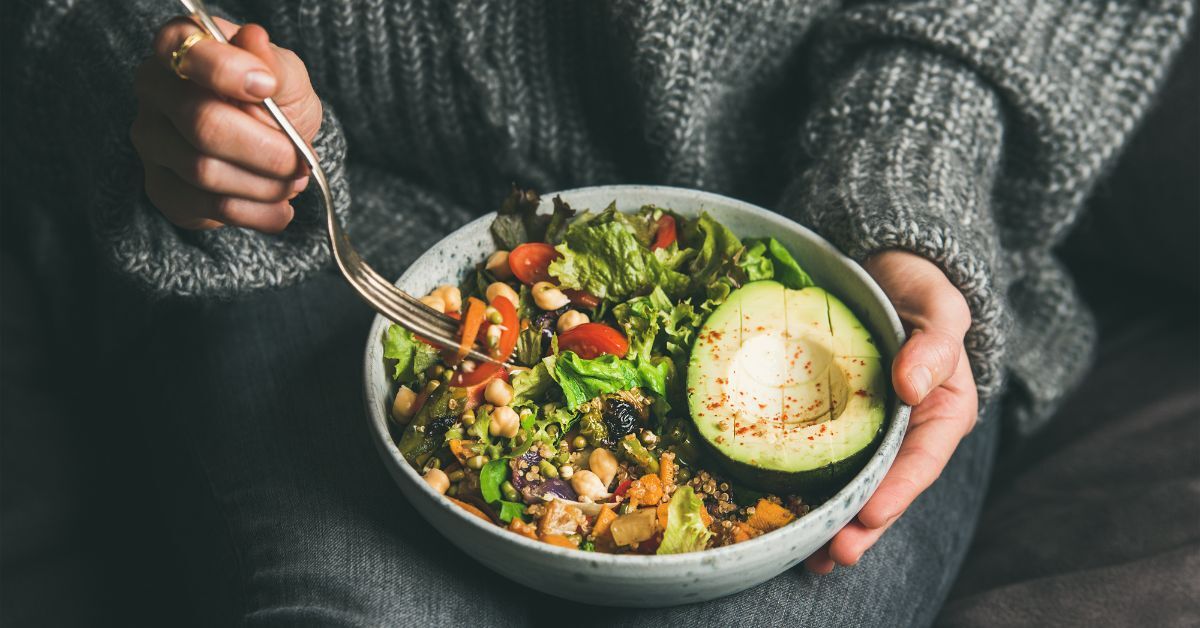
There’s something satisfying about coming home from the farmers market with a bag full of fresh produce. Everything looks beautiful, and you’ve already started thinking about the meals you’ll make. Fast-forward to Thursday, though, and those gorgeous greens have turned into a soggy mess at the back of your fridge.
Eating plant-based doesn’t automatically mean you’re making the most sustainable choices. Food waste still happens, especially when fresh ingredients make up a large part of your grocery shopping.
Fortunately, stopping produce waste on a vegan diet doesn’t require complicated meal plans. You simply need a few practical habits that help your food last longer and make it easier to use what you’ve already bought.
Stop Shopping for Your Ideal Week
It’s easy to fill your cart with ingredients for meals you hope to make. Maybe you picture yourself preparing elaborate grain bowls after work or trying a new vegan recipe every evening. Then life happens. You’re tired on Tuesday, someone invites you to dinner on Wednesday, and suddenly half your vegetables have no purpose.
Before shopping, look at your actual schedule. If you know you’ll have two busy evenings, plan something simple for those nights. You don’t need ingredients for seven elaborate dinners when you’re only cooking four. Buy enough fresh produce for the meals you realistically expect to prepare. You can always return for more later.
Check Your Fridge Before Planning Anything New
Before writing your grocery list, open the refrigerator and see what’s already there. You might find half a cabbage from last week’s stir-fry or a container of cherry tomatoes that needs attention. Instead of buying ingredients for an entirely new recipe, build your next meal around something you already own.
For example, leftover cabbage works beautifully in a quick noodle dish. Those tomatoes could become a simple pasta sauce. This approach also helps you avoid buying duplicates. There’s little reason to bring home another bag of spinach when one is already waiting for you.
Store Produce According to Its Needs
Proper storage makes an enormous difference in how long fresh ingredients stay appealing. One common mistake involves treating every vegetable the same way. Leafy greens generally benefit from refrigeration with enough humidity to prevent wilting. Potatoes prefer a cool, dark location with good ventilation.
Pay attention to ripening fruit, too. Apples release ethylene gas, which can make nearby produce ripen faster. Keep ethylene-sensitive vegetables away from fruit that produces substantial amounts of this gas.
Use the Most Delicate Produce First
Not everything in your grocery bag needs immediate attention. Fresh spinach has a shorter shelf life than a whole winter squash. If you plan to cook the squash on Monday and save the spinach for Friday, you’re making your life harder.
Instead, arrange your weekly meals around which ingredients need attention first.
Try this order:
- Use delicate salad greens early in the week.
- Cook fresh mushrooms while they’re still firm.
- Save sturdy cabbage for later meals.
- Keep root vegetables for recipes toward the weekend.
- Freeze extra produce before its quality starts declining.
The goal is to give vulnerable ingredients priority while they’re still fresh.
Give Ingredients More Than One Purpose
A major reason produce goes to waste is that people buy ingredients for a single recipe. Suppose you need a handful of fresh cilantro for tacos. The grocery store sells an entire bunch, so most of the leaves end up sitting in the fridge.
Before buying, decide where the remaining cilantro will go. You could blend it into a sauce for tomorrow’s lunch or add some to a bean salad. Apply the same thinking to larger vegetables!
If you’re roasting cauliflower for dinner, save some for a warm grain bowl the next day. The ingredients don’t need to appear in identical meals. In fact, changing how you prepare them makes leftovers more appealing.
Make Your Freezer Part of the Routine
The freezer deserves more attention in a plant-based kitchen. You don’t need to wait until produce looks tired before deciding what to freeze. If you’ve bought too many ripe bananas, peel and freeze the extras while they’re still in good condition.
Fresh herbs also work well in certain frozen preparations. Chop them before freezing so they’re ready to use later. For vegetables that need blanching before freezing, follow the appropriate preparation method to preserve their quality.
Think about how you plan to use the food afterward. Frozen spinach works beautifully in soup, even though it won’t return to the crisp texture of fresh salad leaves. When you freeze ingredients with a future meal in mind, you’re more likely to use them instead of forgetting about another mysterious container.
Be Realistic About Growing Food at Home
Growing your own ingredients sounds like a natural extension of sustainable vegan living. Still, a home-growing project only makes sense when it fits your routine.
Mushroom cultivation offers an interesting example. Before buying supplies, take time to understand the myths about mushroom-growing kits. Some beginners expect the equipment to handle the entire process, but successful cultivation still requires appropriate conditions and careful handling.
Consider how much food you expect to harvest and whether you’ll have time to use it. Growing more than you eat doesn’t solve the waste problem. If you’re experimenting with edible mushrooms, start with a manageable project instead of investing in a large setup right away.
Keep a Backup Plan for Busy Weeks
Even the most thoughtful grocery plan runs into unexpected changes. Work may get hectic, and you may skip the meal you planned. Instead of letting those ingredients sit until the weekend, permit yourself to change course.
A quick vegetable soup works well when several ingredients need attention. You can also roast suitable vegetables together and refrigerate the cooked portions for upcoming meals. Keep an easy fallback recipe in mind for nights when cooking feels like too much effort.
The most effective way to stop wasting produce on a vegan diet starts with what you buy and how you cook. You don’t need a perfectly organized refrigerator or an impressive weekly menu.
Start with the ingredients you already have. Give fresh produce enough attention to keep it usable, and build meals around what needs eating first. A more sustainable vegan kitchen grows from everyday choices that feel manageable enough to repeat.


