When people think about environmentally friendly shipping, their attention usually goes to the packaging that arrives at their doorstep. Recyclable cardboard boxes, paper-based cushioning, and reduced plastic wrapping offer visible signs that a company has considered its environmental impact. Yet the packaging customers receive represents only one part of the journey a product takes before reaching them.
Looking beyond those familiar materials reveals why sustainable shipping involves much more than packaging. Transportation systems, distribution networks, and reusable equipment all influence the resources required to move products from one location to another. Many of these decisions happen behind the scenes, making their environmental impact less visible to consumers.
Transportation Efficiency Matters as Much as Materials
Even when a company chooses recyclable packaging, transporting products still requires fuel and other resources. The distance goods travel matters, but so does how efficiently businesses organize those journeys. A truck carrying a partial load may consume nearly as much fuel as one carrying a fuller shipment along the same route.
By coordinating deliveries and making better use of available cargo space, businesses can reduce unnecessary trips without changing the products they sell. Distribution planning becomes particularly important when goods move between several facilities before reaching stores or individual customers. Each additional journey creates another opportunity to examine whether the transportation network operates efficiently.
The Environmental Value of Reusable Shipping Equipment
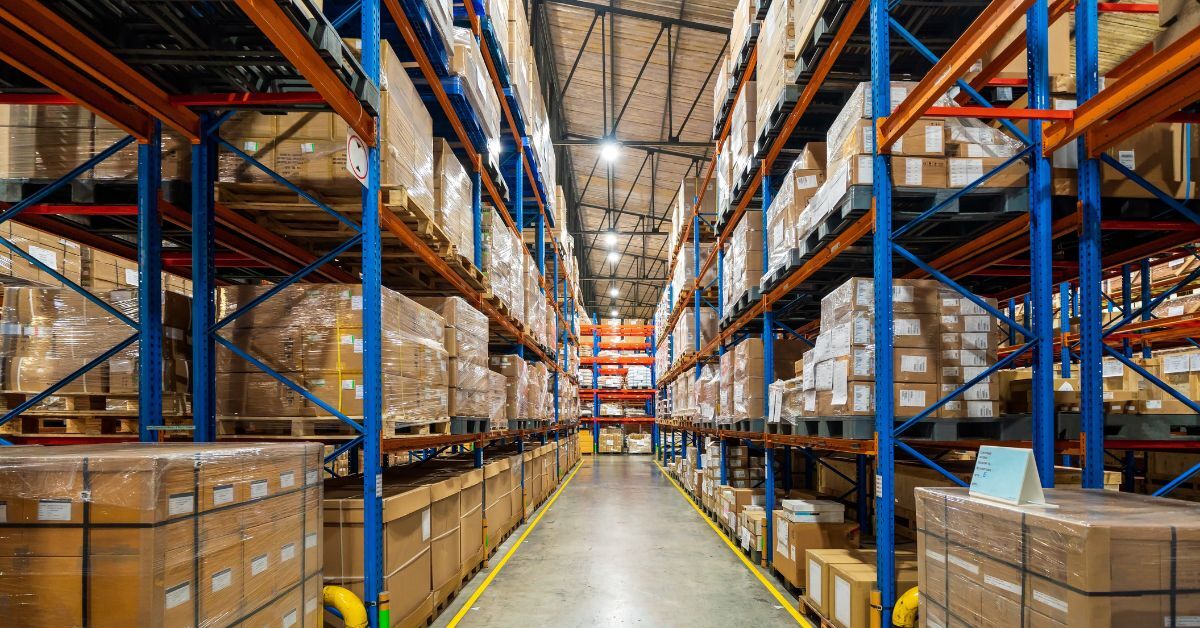
Beyond the boxes and protective materials surrounding individual products, distribution centers rely on equipment that makes large shipments manageable. Wooden pallets support goods during storage and transportation, allowing workers to move substantial quantities without handling every package separately. Although consumers seldom encounter these materials, they represent a recurring resource requirement throughout commercial distribution.
Extending the working life of that equipment can reduce demand for replacement materials. Businesses that repair and reuse pallets keep existing wood in circulation, while the use of recycled pallets that reduce dependence on raw lumber demonstrates how material conservation can extend into industrial shipping operations. The broader environmental principle applies to other reusable transport equipment as well: durable materials can provide additional value when companies maintain them for repeated use.
Why Product Protection Is Part of Sustainability
Reducing shipping materials may appear environmentally responsible, but using too little protection can create another problem. Products that arrive damaged may require replacements, additional transportation, or disposal. Consequently, the environmental cost of inadequate protection can outweigh the material savings achieved by eliminating cushioning or reducing structural support.
Effective shipping design considers the needs of the product alongside the resources required to move it. Fragile goods may require stronger protection, while durable products can sometimes travel safely with minimal additional material. Businesses can evaluate packaging performance according to actual shipping conditions, selecting solutions that prevent damage without creating unnecessary waste.
Product protection becomes even more relevant when shipments pass through multiple distribution facilities. Repeated handling increases the importance of secure loading and stable transport arrangements. Keeping products intact throughout their journey supports sustainability by reducing avoidable losses before they reach customers.
How Distribution Networks Influence Resource Use
Where businesses position warehouses and distribution centers can influence how far products travel before reaching their destinations. A company serving customers across a large geographic area must consider whether concentrating inventory in one location creates unnecessary transportation demands. Regional distribution facilities may shorten final delivery distances, although maintaining additional locations introduces resource requirements of its own.
The most efficient arrangement depends on shipment volumes and the locations of customers and suppliers. A network with several facilities does not automatically produce a smaller environmental footprint than a centralized operation. Companies need to consider the transportation involved in replenishing those facilities alongside the distances associated with outgoing deliveries.
Distribution networks can also influence how companies manage reusable shipping equipment. When materials circulate between nearby facilities, businesses may have more opportunities to collect and return them for another shipment. However, those benefits depend on practical recovery arrangements and the additional transportation needed to move empty equipment.
The Problem With Shipping More Than Necessary
As online shopping makes individual purchases increasingly accessible, shipping operations must accommodate orders of different sizes and quantities. A single customer might place several small orders within a short period, creating separate deliveries that require individual handling. Although purchasing patterns vary, fragmented shipments can increase the amount of transportation activity associated with moving consumer goods.
Retailers can address some of these challenges through shipment consolidation, which combines eligible purchases into fewer deliveries. Consolidation requires careful coordination because products may originate from different warehouses or become available at different times. When businesses can group orders without introducing excessive delays or additional transportation, they may use delivery capacity more efficiently.
Consumers can participate by choosing consolidated delivery options when retailers provide them. However, responsibility for sustainable shipping cannot rest entirely on individual shopping decisions. Businesses control much of the infrastructure that determines how products move, making operational improvements an important part of reducing unnecessary shipping activity.
Why Durability Deserves More Attention
In discussions about sustainability, recyclable materials sometimes receive more attention than products designed to withstand repeated use. Yet durability can reduce the frequency with which businesses replace shipping equipment, particularly when the equipment experiences regular handling. A transport container that survives many journeys may offer advantages that a disposable alternative cannot provide.
Material selection still requires careful consideration. Durable equipment may demand more resources during manufacturing, and heavier materials can affect transportation efficiency. Its environmental performance depends partly on how many times businesses actually reuse it and whether practical systems exist for maintenance and eventual recovery.
For companies evaluating shipping equipment, durability therefore becomes a question of useful service life. Materials that withstand routine operations and support repeated circulation can reduce replacement demand, provided their continued use makes operational and environmental sense.
Looking Beyond the Package
To assess shipping’s environmental impact, we must look beyond the materials customers discard after opening their deliveries. Packaging choices matter, but they belong to a larger system involving transportation, distribution infrastructure, and equipment that supports the movement of goods.
A broader view of why sustainable shipping goes beyond packaging encourages attention to the decisions that happen long before a parcel reaches someone’s doorstep. Businesses can improve their environmental performance by examining how efficiently they move products and how effectively they use existing resources. For consumers interested in sustainability, recognizing those less-visible processes creates a more complete picture of what responsible shipping involves.


