Buying an efficient car feels like a big win for sustainability, but what happens after you drive it home matters too. The way you maintain your tires, use your climate system, and respond to small mechanical problems affects how long parts last and how much energy your car uses over time.
You do not need to replace a perfectly good vehicle or turn every trip into a calculation! A few everyday choices help you get more life from the car you already own while cutting down on avoidable waste. Here are a few car habits that can quietly increase your footprint.
Driving Around on Low Tire Pressure
Tire pressure is easy to overlook because the car still feels normal until the pressure drops far enough to trigger a warning. Still, underinflated tires create more rolling resistance. Your car has to work harder to keep moving, which affects fuel use in a gas vehicle and driving range in an EV.
Low pressure also puts extra stress on the tire itself. Over time, that wear shortens the useful life of a product that takes plenty of material and energy to manufacture.
Check the pressure when the tires are cold and follow the vehicle manufacturer’s recommendation! That five-minute habit helps your tires perform closer to the way the manufacturer intended.
Ignoring Uneven Tire Wear
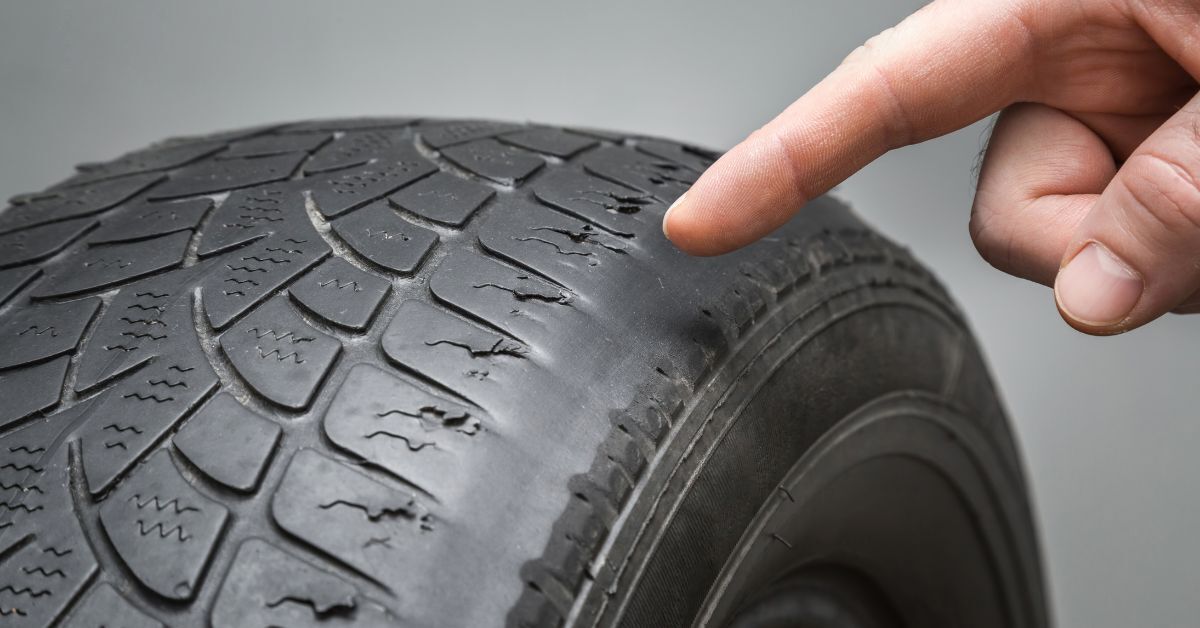
Pressure tells you part of the story, but the tread gives you another useful clue. If one edge wears faster than the rest, something else might need attention. Alignment issues can sometimes create that pattern.
Understanding the causes of uneven tire wear is important here, because replacing tires without fixing the original problem starts the same cycle again. A new set might wear prematurely too, which means more rubber heads toward disposal sooner than necessary.
Look at the Whole Tread
Take a quick look across each tire instead of checking tread depth in one spot. Watch for an area that looks noticeably smoother than the rest. If you see an unusual pattern, ask a technician to check the underlying cause before ordering another set of tires. Extending tire life saves money and reduces the frequency of replacing a resource-heavy product.
Letting the Car Idle for Convenience
Waiting in the car with the engine running feels harmless, especially when you only expect to sit for a few minutes, but those minutes add up when idling becomes a habit. If you drive a gasoline vehicle, unnecessary idling burns fuel without moving you anywhere. You might do it while waiting for someone outside a store or sitting in the driveway before leaving.
Sometimes you need the engine running for comfort or safety. On a mild day, though, shutting the car off during a longer wait reduces wasted fuel. Sustainable driving usually comes down to small decisions you repeat throughout the year!
Turning the Cabin Into an Icebox
A hot car on a summer afternoon makes full-blast air conditioning tempting, and no, no one expects you to sit there sweating in the name of sustainability. Still, you can cool the cabin in a few ways without making the climate system work harder than necessary.
If the car has been sitting in direct sun, open the doors briefly before you leave. Letting trapped hot air escape gives the air conditioner an easier starting point.
Once the cabin feels comfortable, adjust the temperature rather than leaving the system at its coldest setting for the entire drive. In an EV, heavy climate use also pulls energy from the battery.
The goal is simply to stop treating maximum output as the default.
Carrying Stuff You Never Use
Take a look in your trunk sometime. You might find a box from three months ago or sports gear that stopped seeing action last season.
Extra weight affects efficiency because the vehicle has to move whatever you carry. One light bag makes little difference, but a trunk that slowly turns into permanent storage adds unnecessary weight to every trip.
A quick trunk reset might mean removing:
- Unused equipment from old hobbies
- Heavy items waiting for storage
- Boxes you forgot to bring inside
- Seasonal gear you no longer need
- Supplies from a finished project
You also get some cargo space back, which feels like a nice bonus the next time you need the trunk for something useful.
Delaying Repairs Because the Car Still Runs
Cars rarely go from perfect to completely broken without warning. A strange vibration might start quietly. Perhaps a warning light appears, then disappears. It feels easy to ignore those signs when the car still gets you to work. The problem is that one worn component sometimes puts extra stress on another.