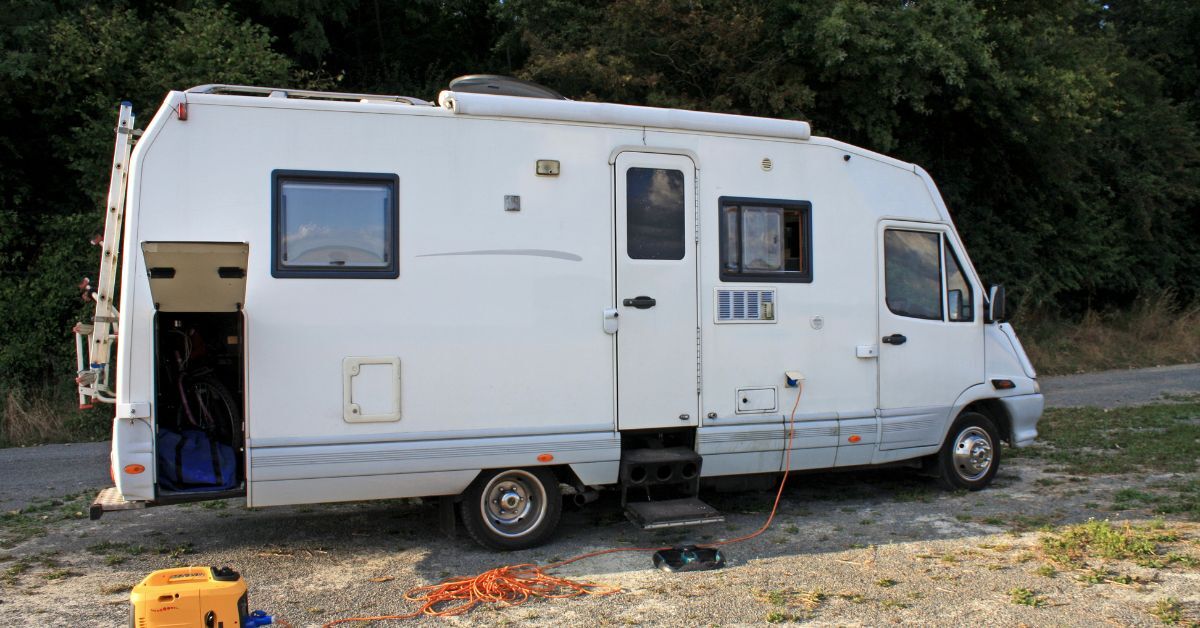
Traveling by RV offers the freedom to spend more time on the road without giving up many of the comforts of home. Those comforts, however, depend on electrical systems, propane, batteries, generators, and other resources that have limited capacity. When energy is wasted, RV owners may find themselves charging batteries more frequently, consuming additional fuel, or struggling to maintain a comfortable interior temperature.
Many common sources of unnecessary energy use in an RV are relatively small inefficiencies that become more significant over time. An aging appliance, an unnoticed air leak, or an inefficient daily habit might not seem particularly important on its own. When several of these issues occur at once, they can place considerably more demand on an RV’s energy systems. Identifying where that waste occurs can help travelers use available resources more effectively.
Poor Temperature Control
Heating and cooling are often among the largest energy demands inside an RV. Unlike a conventional house, an RV has a relatively small interior surrounded by exterior walls, windows, doors, and roof surfaces. Outdoor temperatures can therefore affect the interior quickly.
Air leaks around doors, windows, vents, and slide-outs allow conditioned air to escape. During hot weather, an air conditioner may have to operate longer to compensate for warm air entering the RV. In colder conditions, similar gaps allow heated air to escape.
Inspecting seals and weatherstripping periodically can reduce these losses, and window coverings can also help limit heat transfer. Reflective shades, insulated curtains, and other simple additions can reduce direct sunlight during summer and help retain warmth during colder months.
Inefficient Air Conditioner Operation
Running an RV air conditioner does not automatically mean energy is being wasted. Problems arise when the system must work harder than necessary to produce the desired temperature.
Dirty filters can restrict airflow, while blocked vents can interfere with circulation. If cool air does not move efficiently through the RV, occupants may lower the thermostat in an attempt to become comfortable. That can increase operating time without addressing the underlying airflow problem.
Routine maintenance can make a noticeable difference. Cleaning filters, keeping vents unobstructed, and checking the condition of the cooling system can help the unit operate as intended. Improving airflow throughout the RV can also distribute conditioned air more evenly, reducing the temptation to continually adjust the thermostat.
Leaving Lights and Electronics Running
Individual lights and small electronic devices consume relatively little electricity, but their combined demand can become significant, particularly when an RV relies on batteries.
Lights left on in empty areas, televisions operating in the background, and chargers remaining connected after devices are fully charged all contribute to unnecessary consumption. Some electronics also draw standby power even when they appear to be turned off.
Switching to LED lighting can reduce electricity use compared with older bulbs. Developing simple habits also helps. Turning off lights when they are unnecessary and disconnecting electronics that are not being used can preserve battery capacity without affecting comfort.
Using Appliances Inefficiently
RVs can contain refrigerators, microwaves, coffee makers, televisions, water heaters, and numerous other appliances. Their convenience makes RV travel more comfortable, but inefficient operation can quickly increase energy demand.
Older appliances may consume considerably more power than newer, efficient alternatives. Even efficient appliances can waste energy when used unnecessarily. Frequently opening a refrigerator, for example, allows cold air to escape and forces the appliance to restore its internal temperature.
Travelers planning upgrades can consider appliance efficiency alongside other improvements. Practical guidance on ways to make an RV more energy efficient can also provide useful context when deciding which changes may reduce overall energy consumption.
Excessive Water Heating
Hot water is another area where energy can quietly go to waste. Keeping water hot when nobody needs it consumes propane or electricity, depending on the RV’s system.
Long showers increase both water consumption and the energy required to heat replacement water. Leaving a water heater operating throughout the day when hot water is only needed occasionally can create additional demand.
Adjusting these habits does not necessarily require sacrificing convenience. Coordinating hot-water use, taking shorter showers, and operating the heater according to actual needs can reduce energy consumption. Maintaining the water heater is equally important because sediment buildup or other mechanical issues can affect performance.
Poor Refrigerator Management
An RV refrigerator must maintain a consistent internal temperature even as outdoor conditions change. Poor ventilation, frequent door openings, or incorrect temperature settings can increase the amount of energy required to keep food cold.
Before opening the refrigerator, deciding what is needed can reduce the amount of time the door remains open. Travelers should also avoid placing hot food directly inside whenever possible because the refrigerator must remove that additional heat.
Proper exterior ventilation is important as well. If heat cannot dissipate effectively around the refrigerator’s components, performance may decline. Periodically inspecting vents for debris or obstructions can support more efficient operation.
Unnecessary Generator Use
Generators provide valuable flexibility when shore power is unavailable, but running one unnecessarily consumes fuel and adds operating hours to the equipment.
Sometimes travelers start a generator for a relatively small electrical demand that could have been handled another way. Grouping high-power activities together can reduce generator runtime. For example, travelers might charge devices while simultaneously operating another appliance that already requires generator power.
Understanding which devices create the greatest electrical loads makes this planning easier. A better awareness of daily consumption can help owners decide when generator use is justified and when battery power or another source is sufficient.
Building Better Energy Habits
Reducing energy waste does not require transforming an RV or eliminating the conveniences that make traveling enjoyable. In many cases, the greatest improvements come from understanding how different systems interact and making small adjustments accordingly.
Checking seals, maintaining appliances, managing thermostat settings, monitoring batteries, and turning off unused equipment can collectively make a meaningful difference. These habits become especially valuable for travelers who frequently camp without full hookups, where every unit of stored energy matters.
Paying attention to the everyday causes of wasted energy inside an RV can also help owners identify maintenance problems before they become more expensive. A sudden increase in generator use, shorter battery life, or an air conditioner that runs much longer than usual may indicate that a system needs attention.
Energy efficiency is ultimately about getting more useful performance from the resources already available. By reducing avoidable losses and keeping RV systems in good working condition, travelers can extend battery capacity, reduce fuel consumption, maintain a more comfortable interior, and spend more time enjoying the road.


