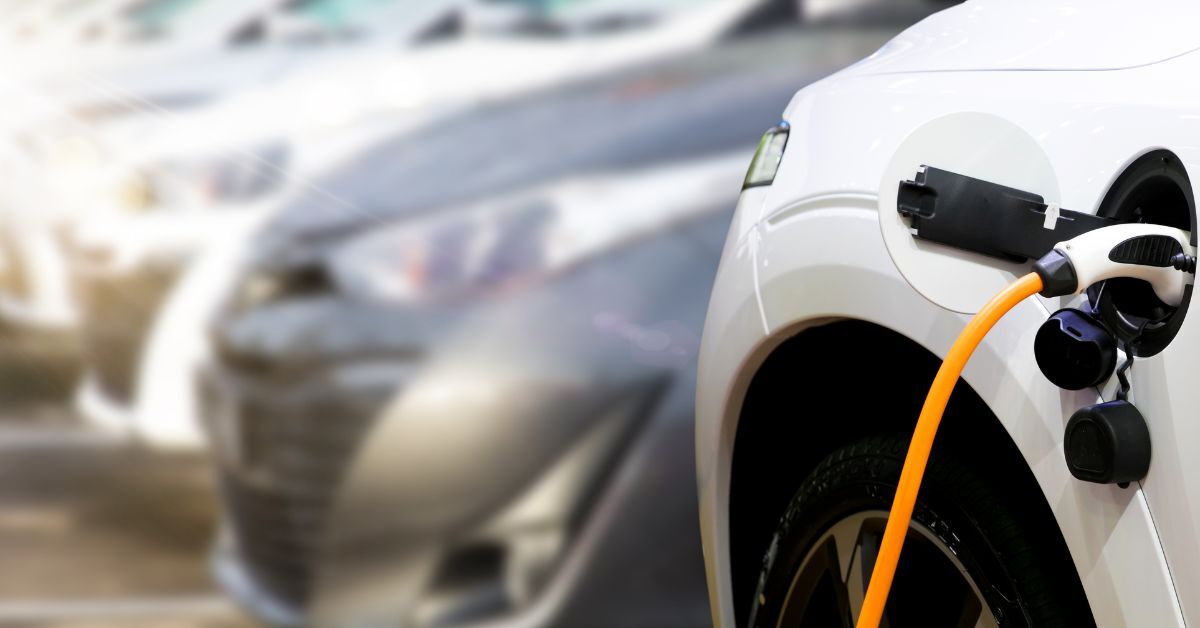
Buying an electric vehicle changes more than the way a car moves. It changes the rhythm of daily driving. Instead of thinking about gas stations, new drivers start thinking about charging windows, battery range, and how temperature can shape performance. That shift can feel unfamiliar at first, but it becomes simple once a few new habits settle into place.
If you’re a new owner, our guide to owning an electric vehicle (EV) will help you adjust to your new life as an electric driver. Keep reading to learn more about charging your EV, how to preserve its battery, how an EV has different driving habits, tire requirements, and more.
Start With Charging, Not Range Anxiety
Most new owners worry about range before they understand charging. In reality, daily convenience matters more than chasing the biggest battery number. If charging is easy at home or at work, an EV fits naturally into everyday life.
Home charging gives drivers the most control. Plugging in overnight can turn charging into the same kind of routine as charging a phone. Public chargers still matter for road trips and longer errands, but the real lifestyle upgrade comes from waking up to a ready vehicle. Before buying, it helps to think about where the car will charge most of the time and how that setup matches a normal week.
Charging speed also matters. A standard outlet may work for some households, while a Level 2 charger usually makes ownership easier. That upgrade can save time and reduce friction, especially for drivers with longer commutes or busy schedules.
Learn What Helps the Battery Stay Healthy
Battery care does not need to feel technical. In most cases, smart habits matter more than perfection. Drivers can protect long-term battery health by avoiding extreme charging patterns every day, limiting unnecessary fast charging, and paying attention to how heat and cold affect performance.
Weather also shapes the driving experience more than many first-time owners expect. Cold temperatures can reduce available range, while heat can change tire pressure and road grip. That makes basic maintenance especially important.
Tires, Driving Habits, and Efficiency All Work Together
One thing that new owners must understand about owning an electric vehicle is the different requirements of EVs, especially when it comes to tires. EVs carry battery weight low in the chassis, which can improve stability, but that extra weight also makes tire condition more important. Too much weight can be a reason why your tires are wearing out so quickly, so make sure you find tires with the ideal load rating for your EV. Drivers who ignore tire health may notice reduced range, uneven wear, or less predictable handling over time.
Regenerative braking can also take practice. At first, the car may feel like it slows faster when the driver lifts off the pedal. Once that sensation becomes familiar, many people find it easier to drive smoothly in traffic. That smoother style can help stretch the range and reduce wear on traditional brakes.
Road Trips Still Work With a Little Planning
Longer drives require a different mindset with an EV, but not a difficult one. Instead of stopping only when the tank looks low, EV drivers plan charging stops in advance. Route planning apps make that process easier by showing charger locations, charging speeds, and estimated battery levels on arrival.
The Real Reward of Owning an EV
The best part of owning an EV is not just lower emissions or modern technology. It is the sense that everyday transportation can feel quieter, cleaner, and more deliberate. Once the charging routine clicks and the basics of maintenance become habit, the learning curve fades quickly. What remains is a vehicle that fits modern life with surprising ease.


