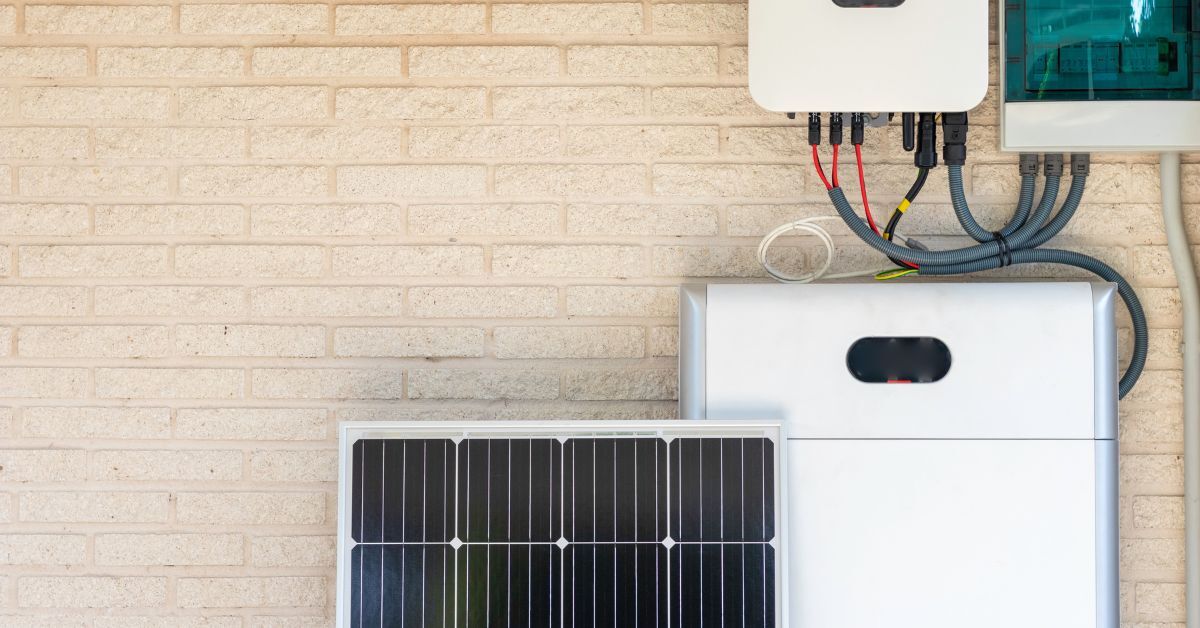
Home energy independence is no longer a futuristic concept. It has become a practical, attainable goal for homeowners who want more control over their energy use, costs, and environmental impact. This beginner’s guide to making your home energy independent will help you reduce reliance on external power sources by producing and managing energy right where you live.
Assess Your Current Energy Use
Before adding new systems, take a close look at how your home consumes energy. Review your utility bills, identify peak usage times, and notice which appliances draw the most power. A clear baseline will help you make smarter investments.
Small adjustments often deliver immediate results. Swapping outdated appliances for energy-efficient models, sealing drafts around windows, and upgrading insulation can reduce demand. Lower demand means you need less infrastructure to achieve independence, which keeps costs manageable.
Invest in Renewable Energy Sources
Once you understand your usage, consider how to generate your own power. Solar panels are the most popular option for residential energy independence, and for good reason. They work well in a variety of climates, require minimal maintenance, and offer long-term savings.
Battery storage is essential. Without it, excess energy produced during the day goes unused or gets sent back to the grid. With storage, you can power your home at night or during outages. This shift transforms renewable energy from a supplement into a reliable primary source.
Plan for Backup and Reliability
Even the most efficient systems need a backup plan. Weather patterns, seasonal changes, and unexpected outages can all affect energy production. A well-rounded setup includes a secondary power source that ensures your home stays functional no matter what.
Backup power generators are a great part of that strategy. This layer of support keeps essential systems running and prevents disruptions during extended outages. Just make sure you understand the installation timeline for whole-home power generators so you can plan accordingly!
Upgrade to a Smarter Energy System
Energy independence depends on management. Smart home technology helps you monitor and control how energy flows through your space. From programmable thermostats to energy monitoring apps, these tools provide real-time insights and allow for quick adjustments.
For example, shifting energy-intensive tasks such as laundry or charging devices to times when your system produces excess power can maximize efficiency. These small decisions impact performance and cost savings.
Think Long-Term and Scale Gradually
You do not need to install everything at once. In fact, a phased approach often works better. Start with efficiency upgrades, add renewable energy generation, then layer in storage and backup systems as your needs evolve.
This method allows you to spread out costs while learning how each component affects your home. It also gives you the flexibility to adopt newer technologies as they become available.
Making your home energy independent is an ongoing strategy. Each improvement helps you build a home that operates with greater resilience, sustainability, and control. Start today to create a living space that can adapt to your lifestyle, support environmental goals, and provide peace of mind in an unpredictable energy landscape.


