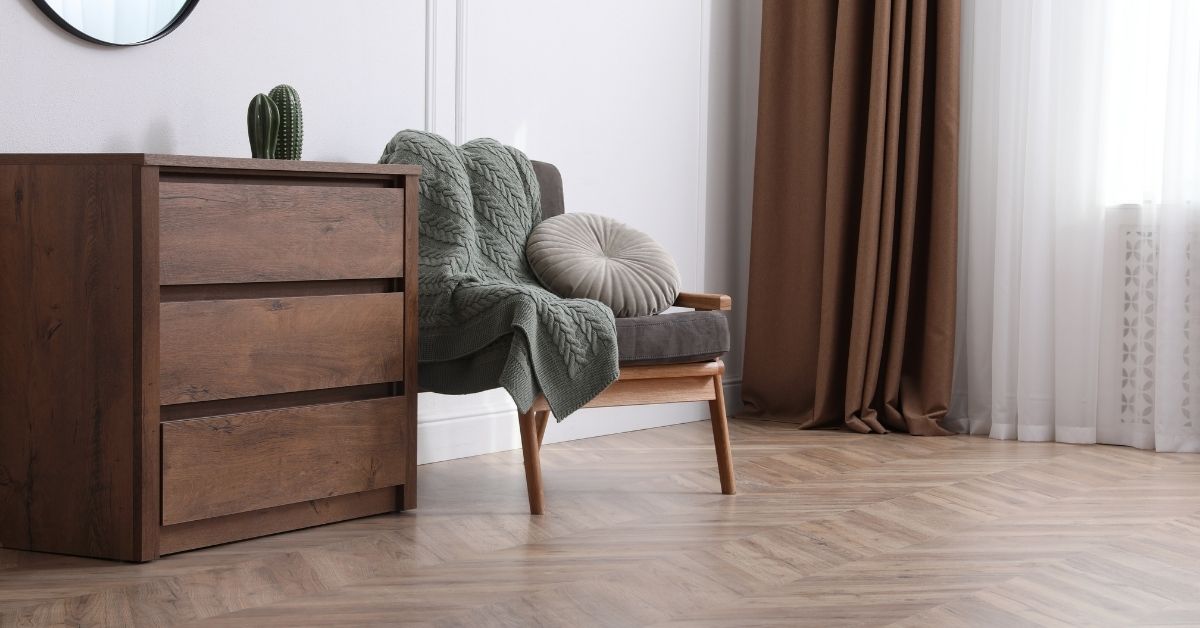
Choosing the right materials for your home renovation involves more than aesthetics. If you value sustainability as much as style, then the materials you bring into your home matter deeply. We often hear about energy-efficient appliances and solar panels, but the environmental benefits of hardwood flooring are just as impactful. Opting for natural wood is a sophisticated way to lower your carbon footprint while elevating your home’s design.
Wood Is a Renewable Resource
Unlike synthetic flooring options that rely on fossil fuels for production, wood comes from a natural, renewable source. Trees grow, capture carbon dioxide from the atmosphere, and store it within their fibers. When foresters harvest trees responsibly, they plant new ones in their place, continuing the cycle of carbon absorption.
Choosing wood supports an industry that values forest management. Healthy demand for wood products encourages landowners to keep forests as forests rather than clearing the land for development or agriculture. This cycle combats climate change and makes your beautiful oak or walnut floors a participant in global carbon reduction efforts.
Longevity Reduces Landfill Waste
We live in a culture that often prioritizes disposable goods, but high-quality home investments combat this trend. Hardwood floors are famous for their incredible durability. Carpet or vinyl might need replacement every decade, sending piles of nonbiodegradable waste to landfills, but solid hardwood can last for generations.
You can sand and refinish wood floors multiple times to restore their original luster or change their color to match evolving tastes. Their longevity enables you to consume fewer resources over the lifetime of your home. Durability is a major reason your home needs hardwood floors.
Improving Your Indoor Environment
Many synthetic flooring materials release volatile organic compounds (VOCs) into the air long after installation, which can compromise the air quality in your home. Natural hardwood offers a cleaner alternative.
Wood floors do not trap dust, pollen, particulate matter, or other allergens, making them ideal for allergy sufferers. A simple cleaning routine keeps your indoor air fresher and healthier for your family. A quick sweep or vacuum removes irritants. Plus, they’re nontoxic, as natural finishes reduce chemical exposure.
Sustainable Sourcing Matters
You hold the power to ensure your floors are eco-friendly by verifying their source. Look for certifications from organizations such as the Forest Stewardship Council (FSC). These labels guarantee that the wood came from forests managed with strict environmental, social, and economic standards.
Many high-end flooring manufacturers now prioritize transparency. They track their timber from the forest to the showroom to ensure that biodiversity and local ecosystems are protected during the harvesting process. Ask questions, and demand certified wood to drive the market toward even better forestry practices.
Making a Lasting Impact
Your design choices create a legacy. When you select materials that align with your values, you create a home that feels good in every sense. The environmental benefits of hardwood flooring offer compelling reasons to choose nature over synthetic alternatives. You get a stunning, timeless aesthetic that respects the planet, improves your home’s health, and stands the test of time.


