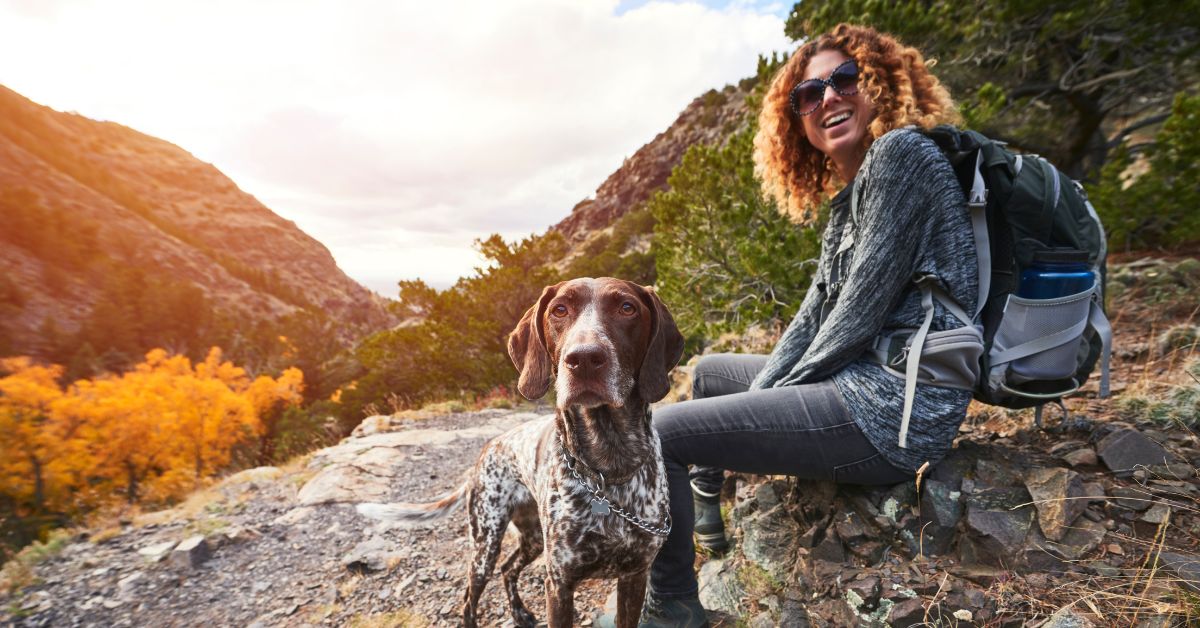
Exploring nature with your dog is one of the most rewarding ways to bond while staying active. However, ensuring you select a trail that aligns with your dog’s needs is vital for their safety, comfort, and overall experience.
Thoughtful trail selection also contributes to sustainable practices that align with a low-impact lifestyle. It’s important you don’t skimp out on choosing the right trail for your dog so that their safety and your sustainability remain a focus on your hike.
Consider the Trail’s Length, Terrain, and Traffic
Every trail is unique, and not all are suitable for canine companions. Before heading out, assess how the trail’s length matches your dog’s stamina. For instance, short trails are often better for older dogs or breed groups like Dachshunds or French Bulldogs, which tire more easily. Long, smooth trails may support energetic breeds, such as Labrador Retrievers or Australian Shepherds.
Another critical factor is the terrain. Rough or rocky pathways may injure your dog’s paws, and trails with steep inclines can strain their joints. For women valuing sustainability, consider trails that encourage designated walking paths to reduce erosion caused by foot (and paw) traffic. Trails with low visitor volumes also create a less stressful experience for dogs that are more reactive to other animals or people.
Match the Trail to Your Dog’s Fitness Level
Your dog’s physical fitness directly influences how well they can handle a trail’s demands. Dogs with active lifestyles may thrive on long and challenging paths, while small breeds like Chihuahuas will require shorter durations and flatter routes. Gradually build up their endurance with regular walks or shorter hikes before attempting more rigorous trails.
Assess Your Dog’s Conditions, Always
Keep an eye out for signs of overexertion during your hikes, such as excessive panting or reluctance to move forward. Packing a collapsible water bowl allows you to keep your dog hydrated throughout the hike. Staying aware of your dog’s limits ensures the adventure remains pleasurable and safe for both of you.
Select Trails With Environmental Impact in Mind
Ethical considerations play a vital role in trail selection, especially for driven women who prioritize sustainable practices. Look for trails that actively promote conservation. Parks with policies that encourage visitors to stay on defined paths maintain the local ecosystem. These measures protect plant life and reduce accidental damage caused by stray footprints or pawprints.
Moreover, research trails where policies require dogs to remain leashed. Leashes protect wildlife, prevent dogs from wandering into sensitive areas, and minimize the risk of startling other hikers. Supporting parks that prioritize sustainability and community guidelines aligns with broader eco-conscious goals.
Keep Small Breeds in Mind During Planning
Small dogs make equally great hiking companions as larger breeds, but it’s important to keep a few safety tips in the forefront of your mind. Bring lightweight gear, including harnesses designed for security without putting unnecessary strain on their frames.
Choose shallow inclines or shaded routes that reduce the physical load on their smaller bodies. Taking frequent breaks at rest points allows tiny dogs to keep pace without strain. Being mindful of these details ensures even your pint-sized pup feels like a seasoned trailblazer.
The trail you select shapes the entire hiking experience for your dog. Prioritize their fitness, ensure sustainability, and consider breed-specific needs for a safe, enjoyable adventure. And don’t forget the poop bags!


