Harnessing solar energy has become a popular choice for people seeking a sustainable and eco-friendly lifestyle. However, many wonder how cloudy weather affects solar panels and home energy. Can a cloudy day dim the potential of your solar panels? While sunlight is a critical factor, the effect of weather on solar systems is more nuanced than it might appear. Let’s cover how solar panels perform in different weather conditions, as well as effective solutions for maintaining energy reliability on overcast days.
How Solar Panels Work on Cloudy Days
Solar panels don’t stop working when the sun isn’t shining at its peak. While direct sunlight produces the highest levels of energy, solar panels can still convert diffused sunlight into power. Even on days with heavy cloud cover, most solar panels can generate around 10–25 percent of their typical output. Factors like cloud density and the quality of your panels heavily influence these numbers. High-efficiency panels will perform better in less-than-ideal conditions, making them a worthwhile investment for homeowners living in areas prone to unpredictable weather.
Seasonal Impacts on Solar Efficiency
Weather changes throughout the year bring different challenges and opportunities for solar energy. Winter often raises concerns about reduced daylight hours and less intense sunlight. However, colder temperatures can actually help panels perform more efficiently, as heat can diminish their effectiveness. Meanwhile, surrounding snow can reflect light onto panels, enhancing their output so long as it does not fully cover the panel. Even in variable weather, most well-planned solar systems generate sufficient energy over the year to meet residential needs.
Dealing With Rainy Weather
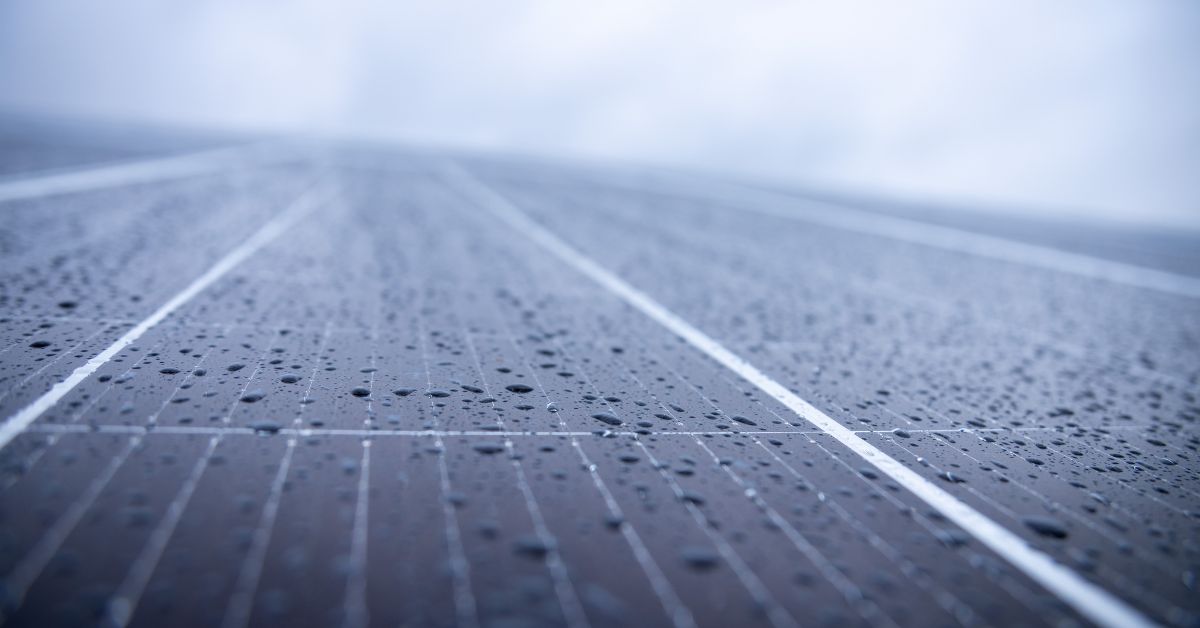
Rainy days bring their own benefits and drawbacks for solar panels. On the one hand, rain significantly reduces sunlight availability, which directly impacts energy production. On the other hand, rain keeps your panels clean by washing away dust and debris. Cleaner panels absorb sunlight more efficiently, which can improve performance once the skies clear. A good maintenance schedule, combined with occasional rainfall, ensures panels remain as productive as possible over time.
Energy Storage and Backup Options
Of course, homes that use solar energy aren’t restricted to only using the energy their panels produce. These homes can also use energy from city sources or turn to stored energy options in the event of an outage. Batteries that gather and store excess energy can be a reliable option when the sun isn’t out. Residential transformers are another backup solution for solar power arrangements. The right energy backup solution for your home depends primarily on the options available in your area and the energy needs of your household. By planning ahead, you can avoid energy disruptions and optimize the performance of your solar system year-round.
The Future Is Bright
Even on cloudy days, solar panels keep shining as a reliable and sustainable energy source. Understanding how cloudy weather affects solar panels and home energy may reveal some limitations, but it also highlights opportunities for improvement through better technology and planning. By investing in efficient systems and exploring energy storage solutions, you can minimize weather-related challenges and maximize your home’s energy potential. Solar energy proves time and again that it’s more resilient than we might assume, making it a fantastic choice for anyone looking to live sustainably.


