Many people think that living sustainably means giving up the fun stuff, but some of the most rewarding hobbies actually help the planet while bringing joy to your daily routine. These unique activities prove that going green doesn’t require sacrifice—it creates opportunities for creativity, connection, and personal growth.
Mushroom Foraging Connects You to Local Ecosystems
Foraging for wild mushrooms transforms grocery shopping into an adventure. This hobby teaches you to identify edible varieties while reducing your reliance on store-bought produce. Each foraging trip strengthens your understanding of local ecosystems and seasonal cycles.
Start with guided walks through local mycological societies. Many communities offer beginner-friendly mushroom hunts during peak seasons. As your knowledge grows, you’ll develop skills that provide fresh, organic food while supporting biodiversity through responsible harvesting practices.
Soap Making Eliminates Plastic Packaging
Creating handmade soaps gives you complete control over the ingredients you use while eliminating plastic bottles from your bathroom. Cold process soap making requires simple ingredients like oils, lye, and natural fragrances.
Homemade soaps last longer than commercial alternatives and contain no harsh chemicals. You control every ingredient, avoiding synthetic preservatives and artificial fragrances that can irritate sensitive skin. You can even gift homemade soaps to friends and family, spreading sustainable practices through your social circle.
Beekeeping Supports Local Pollinator Populations
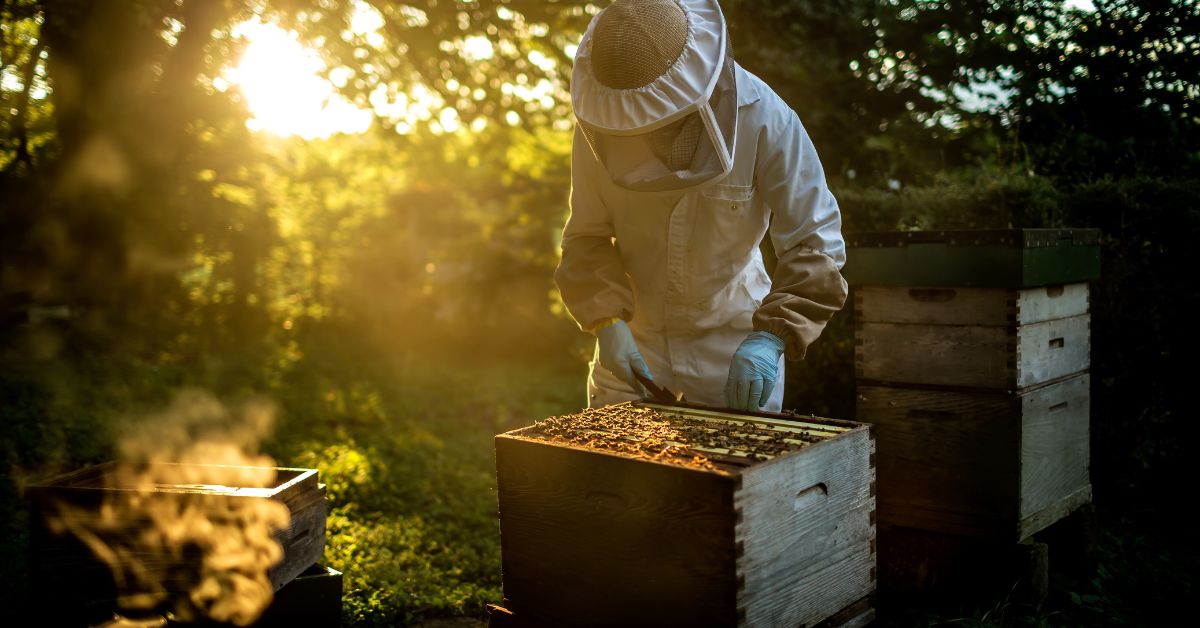
Urban beekeeping has gained popularity as people recognize the critical role bees play in food production. You can have a healthy hive by practicing ethical beekeeping methods that prioritize bee welfare over honey production. This hobby requires an initial investment in equipment but provides years of fascinating observation opportunities.
Beekeepers contribute directly to local agriculture by supporting pollinator populations. Many urban areas welcome responsible beekeepers who follow proper safety protocols and maintain registered hives. Additionally, local beekeeping associations offer mentorship programs for beginners.
Fermentation Reduces Food Waste
Fermented foods like kimchi and sauerkraut turn surplus vegetables into probiotic-rich meals. This ancient preservation method extends the life of fresh produce while creating complex flavors that are impossible to achieve through other cooking methods.
Fermentation requires minimal equipment—glass jars, salt, and time. Cabbage past its prime becomes tangy sauerkraut, while overripe fruit can transform into healthy fermented sodas. The process reduces food waste while providing beneficial bacteria for digestive health.
Natural Dyeing Revives Old Clothing
Natural dyeing breathes new life into faded or stained clothing using plant materials like onion skins, avocado pits, and turmeric. This hobby combines chemistry, artistry, and sustainability by extending clothing lifecycles with creative color updates.
Different plants produce surprising color results. Red onion skins create greens, while avocado pits yield soft pinks. The process involves simmering plant materials to extract pigments, then treating fabric to accept and hold the colors.
Start Small, Think Big
These hobbies share common threads: they connect you to natural processes, reduce environmental impact, and provide tangible rewards for your efforts. Choose one that sparks your curiosity and commit to learning the basics. As your skills develop, you’ll discover how sustainable living enhances rather than restricts your lifestyle choices.
The planet needs more people who understand that environmental responsibility can be personally fulfilling. These hobbies prove that sustainable choices often lead to more interesting, creative, and connected ways of living.


