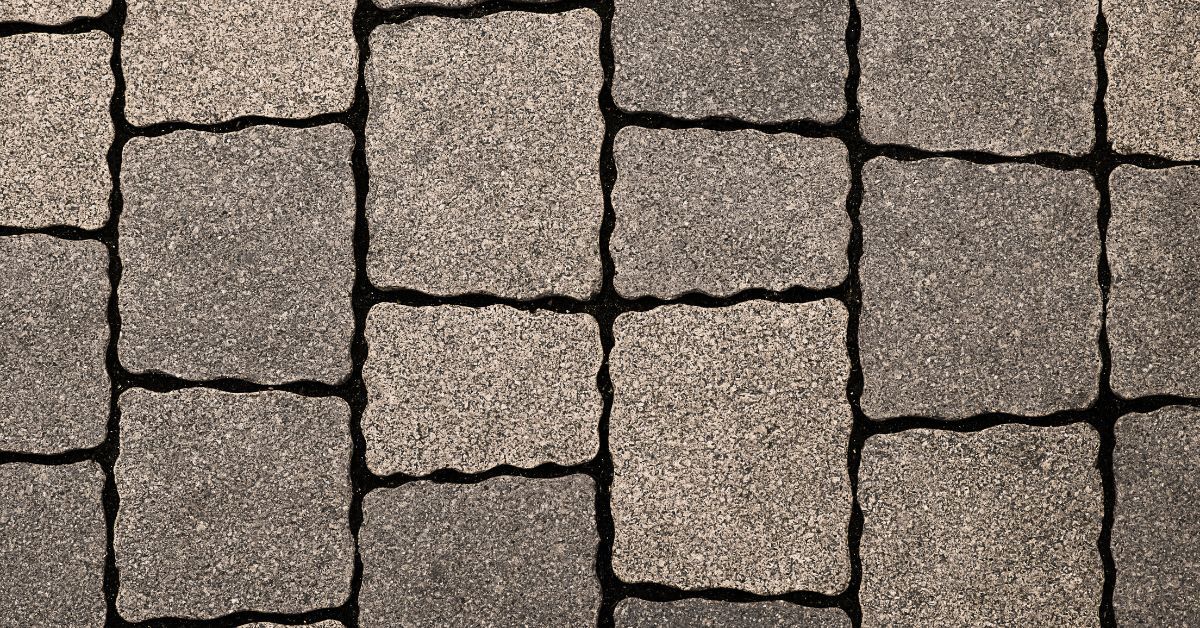
A patio should invite slow mornings with coffee, relaxing evenings, and afternoons spent admiring the garden. Home upgrades feel better when they support the outdoors instead of harming it. Many patio materials come with tradeoffs that don’t show up in a showroom sample, such as unethical production and sealed surfaces that push water onto the street.
Sustainable landscaping materials make it possible to create an elevated outdoor patio. The surfaces handle weathering, encourage drainage, and reduce unnecessary waste of resources.
Permeable Pavers
Standing water shortens the life of a patio and makes the surface slick. Permeable pavers support drainage in hardscape design. They prevent puddles as rain moves through the joints into a layered base below.
A permeable system needs a sturdy foundation to function correctly. A base of clean, angular stone locks together for added strength and leaves space for water to travel down. The base supports furniture and foot traffic without trapping moisture at the surface.
Reclaimed Brick and Stone
Reclaimed brick brings warmth and an intentional appearance due to its structured patterns. Salvaged stone adds texture and depth without new extraction. These materials suit high-end patios because they read as collected and character-rich rather than cookie-cutter.
For comfort and stability, source flat pieces with consistent thickness. Pair the texture of reclaimed surfaces with clean edges in recycled metal or locally sourced stone to keep the design crisp.
FSC-Certified Wood
The Forest Stewardship Council (FSC) is a nonprofit organization that certifies forests worldwide according to strict sustainability standards. Selecting products with FSC labels means you’re supporting responsible forest management and avoiding contributions to destructive harvesting.
Wood performs best when designers plan for movement and airflow. Spacing supports expansion, and a ventilated substructure helps surfaces dry faster after rain.
Recycled Composite Decking
Recycled composite decking fits patios that need a consistent, low-maintenance finish. Many products use reclaimed plastics and wood fibers to divert waste and reduce reliance on virgin materials.
Composite surfaces resist splintering and hold color well, which helps a patio look finished across seasons. Dark boards absorb the sun and make the space uncomfortable during peak summer hours. Choosing light tones is a more favorable way to manage heat, so the patio feels comfortable underfoot.
Low-Carbon Concrete
Concrete suits patios, but traditional mixes come with a high emissions footprint. Low-impact mixes reduce cement content by using supplementary materials, such as fly ash and slag, or new blends, like calcined clay. These options uphold the clean, architectural look while diminishing embodied carbon.
Exposed aggregate adds traction and visual texture, especially when the stone comes from local sources. A thoughtful finish supports grip under wet shoes without feeling rough.
The Details That Support a Sustainable Backyard
A commitment to helping the environment means that you make intentional choices every day. When it comes to home improvements, style and sustainability work together when the build supports real outdoor conditions.
Sustainable patio materials such as permeable pavers, reclaimed masonry, responsibly sourced wood, and low-carbon concrete will look incredible without damaging the environment. Use one of these materials to put together a patio that drains water, feels comfortable underfoot, and complements the home.


