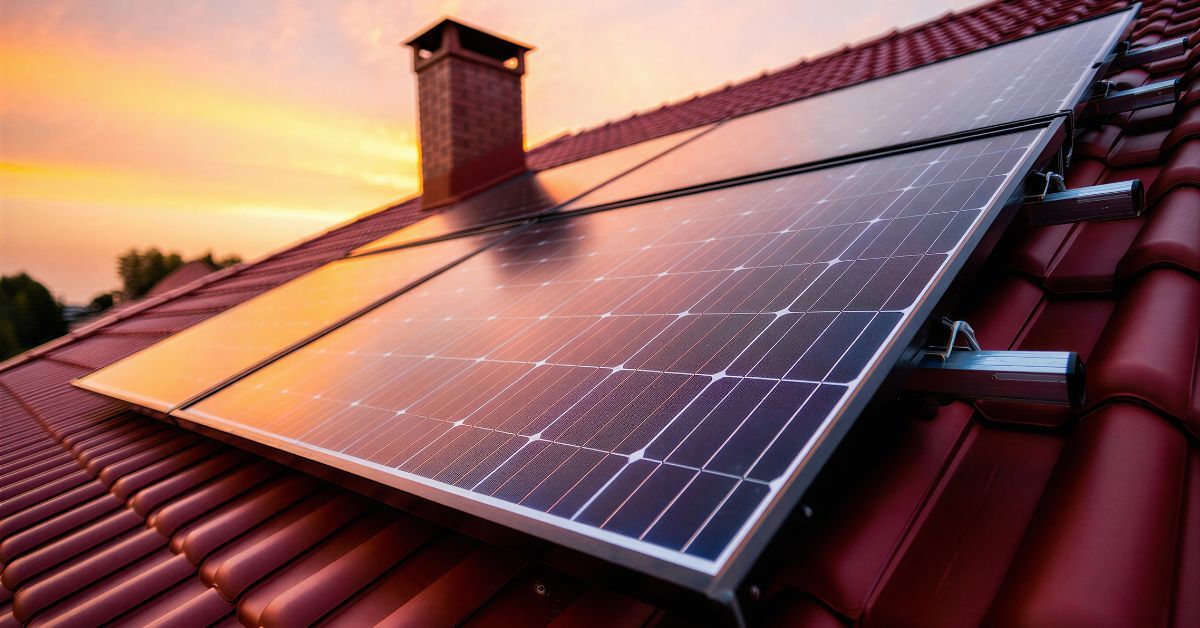
A beautiful solar installation starts with more than panel placement. The roof underneath has a direct influence on how much energy a system produces and how long the investment performs. For homeowners planning around sustainability and long-term value, roof conditions that affect solar payoff are worth understanding before design decisions begin. The right roof creates a cleaner path from intention to measurable return.
Roof Age Shapes the Timeline
A roof nearing the end of its service life complicates a solar project because panels are built for years of use. Removing and reinstalling them for roof replacement adds avoidable cost and disruption. When the roof has many strong years ahead, the solar system has more time to produce steady savings without interruption. A preinstallation roof assessment protects the finished project and the financial logic behind it.
Pitch Changes Sun Exposure
Roof pitch influences how directly sunlight reaches the panels during key production hours. A slope that works well with the home’s location helps the system capture light more efficiently across the year. Steeper or flatter rooflines are not automatic problems, though they require more careful design to support the payoff. When pitch and panel angle work together, the system appears integrated rather than forced.
Shade Reduces Returns
Shade from a nearby tree or architectural feature creates uneven production across the array. Even a polished, high-end installation loses value when part of the roof receives blocked sunlight during productive hours. The relationship between roof coverage and the effects of shade on solar panel efficiency is a clear reason placement decisions should account for the actual path of sunlight across the home. Thoughtful trimming or a different panel layout preserves more of the system’s potential.
Roofing Materials Influence Installation
Roofing material affects how panels are mounted and how much preparation the project requires. Asphalt shingles tend to make installation more straightforward, whereas tile roofs demand a delicate approach to protect the surface. Metal roofing pairs well with certain mounting systems when the roof profile supports it. The goal is not to force solar onto any surface, but to match the installation method to the roof’s character.
Structural Strength Supports Confidence
Solar panels add weight, so the roof structure needs enough strength to carry the system safely. A strong structure allows installers to protect the home while maintaining a refined finished appearance. If reinforcement is needed, addressing it early prevents a rushed repair. For high-value homes, structural confidence is part of preserving sustainability goals and property integrity.
Drainage Protects Long-Term Performance
Water should move off the roof cleanly after panels are installed. Poor drainage leaves moisture where it has no business lingering, threatening the roof beneath the system. Flashing and panel placement need to work together so the roof continues to perform as expected. A solar upgrade works best when it respects the practical job the roof already does every day.
Solar payoff is strongest when the roof is treated as part of the investment, not merely the place where panels sit. A graceful system depends on the condition of the surface beneath it and the sunlight reaching it. For homeowners who value sustainability and lasting beauty, roof conditions that affect solar payoff make solar planning a smarter, more confident decision.


