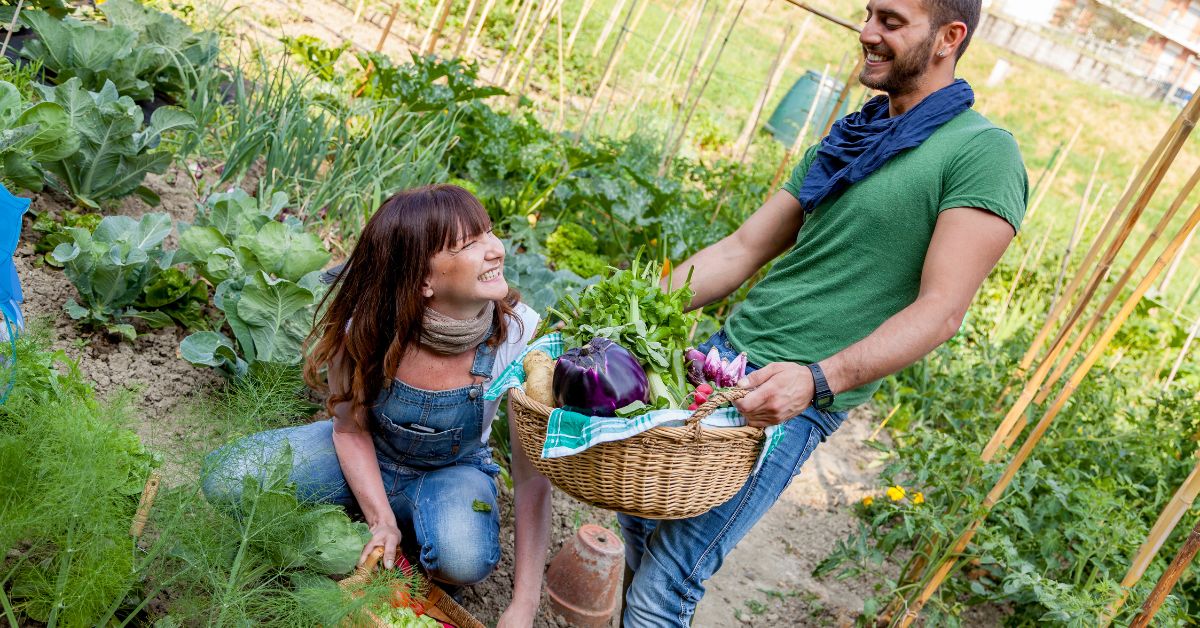
You’ve got the land, the chickens are happy, and your vegetable garden is thriving. It feels like a slice of paradise. But what if that paradise could pay for itself? Turning a hobby farm into a business is a dream for many, and it’s entirely achievable with the right strategy.
That’s because it allows you to deepen your commitment to sustainability while building something financially rewarding. If you want to turn your simple hobby farm into a profitable venture, we’re here to show you how.
Assess Your Resources and Goals
Before you plant another seed, take a step back. Look at what you actually have. How much land is usable? What equipment do you have access to? More importantly, check in with yourself. Do you want this to replace your full-time income, or is it a side hustle to cover the feed bills?
Also, make sure you’re honest with yourself about your skills—whether that’s gardening, animal husbandry, or even marketing—and your financial targets to save yourself from headaches later. It’s about leveraging what you have to get where you want to go.
Identify High-Demand Products or Services
Not everything that grows well sells well. You need to research your local market to find the sweet spot. Maybe there’s an excess of tomatoes at the market, but a desperate need for organic, free-range eggs or specialty cut flowers.
Don’t limit yourself to goods, either. People also love unique experiences. You could host farm-to-table dinners featuring heirloom produce, or offer glamping on unused sections of your land. Niche markets like agritourism allow you to share your sustainable lifestyle while creating a significant revenue stream that doesn’t rely solely on harvest yields.
Create a Business Plan
Every hobby farm needs a roadmap if it’s to become a profitable business. You don’t need a 50-page corporate document, but you do need a solid plan. Outline exactly where your revenue will come from and how much it costs to produce your goods.
Don’t forget to pan for ways to diversify your income to remain resilient in ever-changing markets. For instance, selling artisanal honey alongside your regular food offerings keeps the cash flow steady when seasons change or crops have a slow year.
Market Your Farm Effectively
You can grow the best zucchini in the county, but it doesn’t matter if no one knows about it. For example, building a curated Instagram feed that showcases those misty mornings and harvest baskets can help tell your story and pique people’s interest in your goods. That’s because people buy into the lifestyle as much as the product.
Engage with your community offline, too. Farmers’ markets are great for networking, but hosting on-farm events builds deep loyalty and connects your customers directly to the source of their food.
Focus on Scalability
It’s tempting to try to do everything at once, but slow and steady wins this race. Start with one profitable crop or service and perfect it. Once you have the infrastructure and processes dialed in, then you look at expanding.
Take the time to learn what you’ll need as you expand, such as how many acres you’ll need to start a small farm. Doing these things will help you grow without sacrificing the quality of your product or the sustainable values that drew you to farming in the first place.