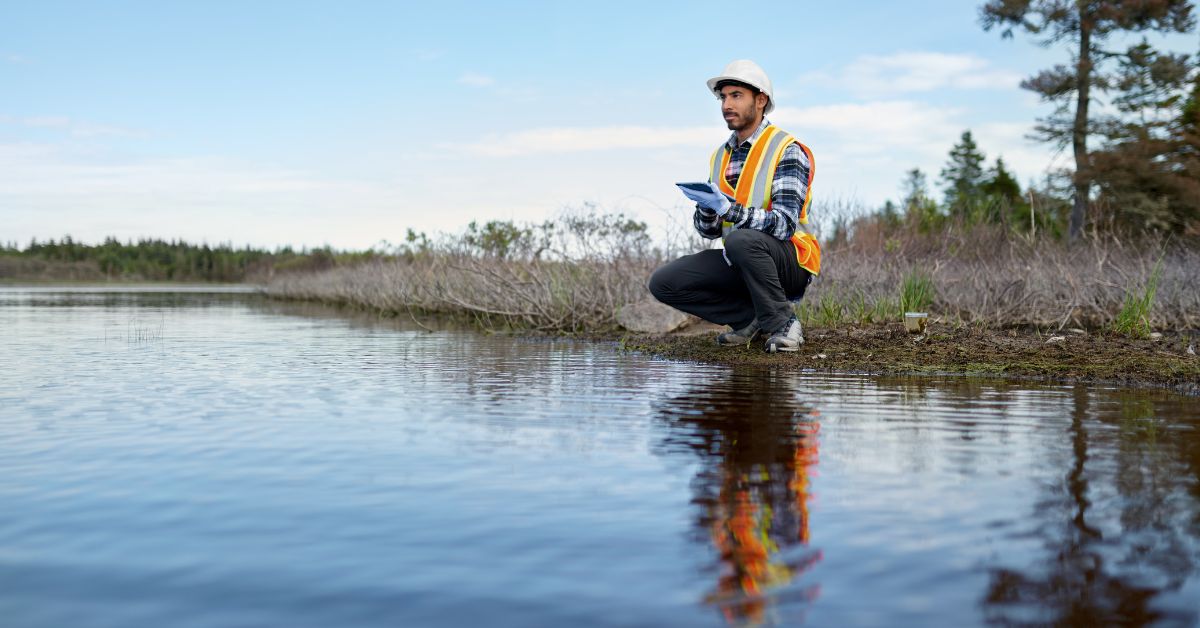
We tend to think of nature and technology as opposites. One is green, chaotic, and ancient, while the other is sleek, metallic, and brand new. But if you look closer at modern environmental work, you will see that these two worlds are actually becoming best friends.
Scientists and rangers use high-tech tools to save species that are on the brink of
extinction. That is exactly how technology is shaping conservation efforts right
now, and the results are pretty incredible.
Artificial Intelligence Does the Heavy Lifting
Field cameras take millions of photos, and sorting through them used to take months
of human labor. You would have to sit there and look at thousands of pictures of
empty grass just to find one blurry photo of a jaguar. Artificial Intelligence changed
that dynamic completely.
Smart algorithms now scan images and identify animals instantly. They can even
recognize individual animals based on their unique stripe or spot patterns. This data
helps researchers understand migration paths and family structures without ever
needing to trap or tag the creature.
Eyes in the Sky
Conservationists previously had to track animals on foot. They walked through dense
forests or drove across vast savannas, hoping to spot a rare rhino or check on a
herd of elephants. It was slow and dangerous work. Now, they have help from
above.
Drones allow teams to monitor huge areas of land without disturbing the wildlife.
They can count animal populations, spot poachers in the middle of the night with
thermal cameras, and map habitat changes. But it isn’t just about catching bad guys.
Drones can also help combat the spread of invasive species, as these flying
cameras can identify non-native plants or animals before they take over an
ecosystem. Therefore, rangers can target their response with extreme precision.
Biobanking and Genetic Rescue
Sometimes protection in the wild isn’t enough. When a population gets too small,
inbreeding becomes a major threat to its survival. Science has stepped in here as
well. Biobanks are essentially frozen zoos where scientists store DNA, eggs, and
sperm from endangered species.
This genetic backup plan could help restore genetic diversity to struggling
populations. In some extreme cases, scientists are even looking into using preserved
cells to bring species back from the brink or bring them back after they are gone. It
sounds like science fiction, but it is quickly becoming science fact.
A Hopeful Future
We have a long way to go to fix the damage done to our planet. However, the tools
we have at our disposal are better than ever. The ways technology is shaping
conservation efforts prove that human innovation can heal the planet just as much
as it can hurt it.
You don’t need to be a scientist to help. Support organizations that use these
technologies! Get involved in citizen science projects where you can help identify
wildlife photos from your own computer. The future of nature depends on it.


