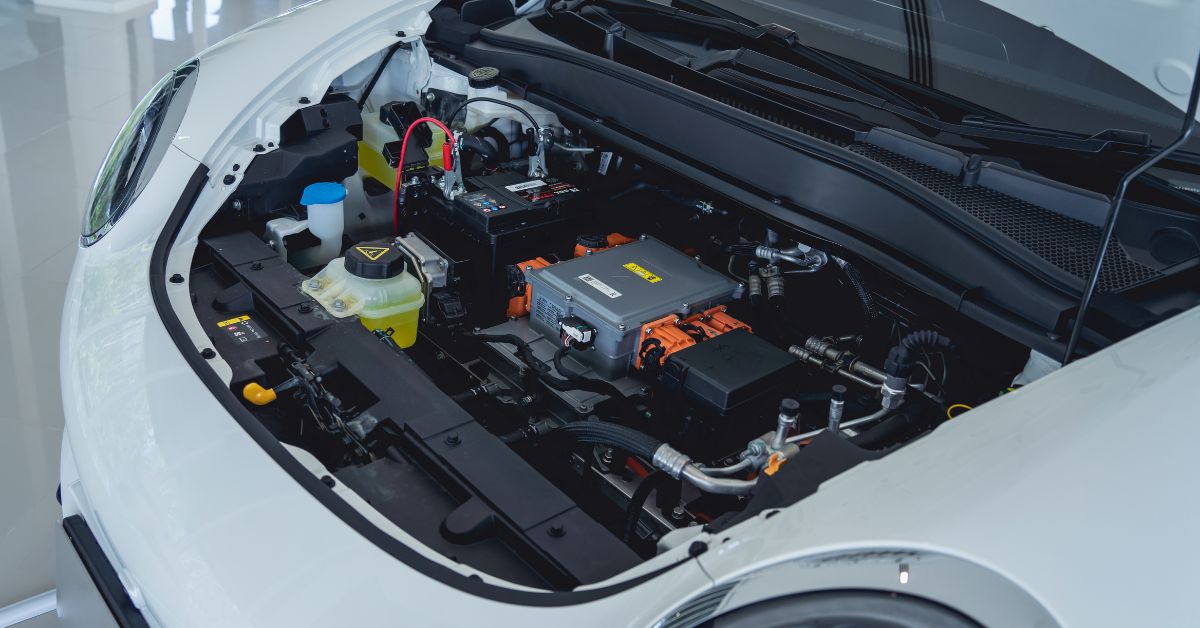
Switching to an electric vehicle often feels like a breath of fresh air. You wave goodbye to gas stations and oil changes. While EVs generally have fewer moving parts than internal combustion engines, they still require attention to keep running smoothly. Performing essential maintenance for electric vehicle owners helps protect your investment and supports the sustainable lifestyle you value.
Keep Your Battery Happy
The heart of your EV is undoubtedly its battery pack. Most manufacturers design these high-voltage systems to last the vehicle’s lifetime, but how you treat them matters. Avoid letting the charge drop to 0% or sitting at 100% for extended periods. Keeping the battery between 20% and 80% for daily driving preserves its long-term health.
Temperature management plays a huge role here. Extreme heat or cold can stress the cells. Preconditioning your car while it is still plugged in allows the battery to reach an optimal temperature before you start driving, saving energy and reducing wear. If you plan on parking your car for a long time, knowing the best practices for storing EV batteries to reduce hazards is crucial for safety and longevity.
Don’t Ignore the Tires
Because EVs carry heavy battery packs, they weigh a lot more than traditional cars. This extra weight, combined with the instant torque electric motors provide, can wear down tires faster than you might expect. Checking tire pressure monthly is a smart habit. Underinflated tires increase rolling resistance, which drains your range and reduces efficiency. You should also rotate your tires every 6,000 to 8,000 miles. Regular rotation promotes even tread wear, extending the life of the tires. Since sustainability is a priority, getting the most miles out of your rubber means less waste in landfills later.
Brake Fluid and Coolant Still Matter
Even though you don’t need engine oil, your EV relies on other fluids. The thermal management system uses coolant to keep the battery, inverter, and motor from overheating. Over time, this fluid can degrade, or levels might drop. Check your owner’s manual for specific intervals, but generally, a quick visual inspection of the reservoir is wise.
Braking systems in EVs are unique because of regenerative braking. This feature uses the electric motor to slow the car, capturing energy and returning it to the battery. Because the physical brake pads get used less often, they can last a very long time. However, the brake fluid itself can absorb moisture from the air, potentially leading to corrosion. Testing the fluid every two years keeps the hydraulic system responsive and safe.
Cabin Air Filters and Wipers
While focusing on the high-tech components, it is easy to forget the basics. Your cabin air filter keeps the interior air clean, filtering out pollen and dust. A clogged filter forces the climate control system to work harder, using more battery power. Replacing this inexpensive part every year or two improves air quality and system efficiency. Similarly, check your wiper blades. Good visibility is nonnegotiable for safety. If they streak or chatter, swap them out.
These small tasks make your daily driving experience that much smoother. Essential maintenance for electric vehicle owners shapes every moment behind the wheel. Small habits can turn daily drives into meaningful ways to support a greener future. Every mile you drive is a testament to both your investment and your vision for a cleaner world.


