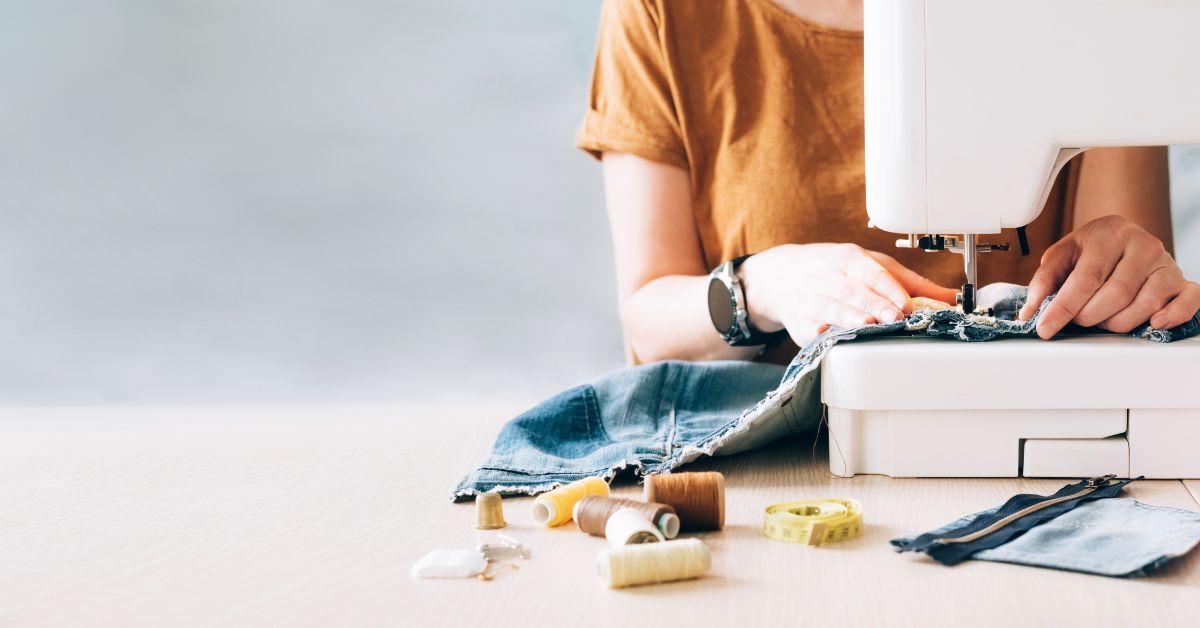
Sustainable living can bring more creativity into your everyday life. For those looking to reduce waste without sacrificing style, fabric upcycling offers a uniquely personal solution. With these three creative sustainability projects, you can upcycle fabric and give forgotten scraps a new purpose.
Patchwork Home Accents
Transforming fabric scraps into patchwork decor is a fun way to repurpose materials. Cushion covers, table runners, and wall hangings all benefit from the layered textures and colors that patchwork offers. The beauty lies in imperfection, where contrasting fabrics come together in a cohesive design.
Patchwork involves cutting fabric into smaller shapes, then arranging and sewing them together to create one larger piece. It helps to plan the color layout first, so the final design feels balanced.
For those new to sewing, starting with simple square patterns makes the project more manageable. As your skills develop, you can explore more intricate designs, including quilting techniques that add depth and durability. When working on larger patchwork pieces, certain tools make quilting easier, especially for creating more precise and consistent patterns.
Handmade Wearable Pieces
Upcycling fabric into wearable items is a creative and environmentally friendly project you can try at home. Scarves, headbands, and tote bags are all accessible projects that require minimal material and skill. These pieces reduce textile waste and introduce one-of-a-kind elements into a wardrobe.
Start With Durable Fabrics
One of the most important things to consider is how the fabric will hold up with regular use. Lightweight or delicate materials can work beautifully for accessories, but sturdier fabrics are often better for bags, belts, or other everyday pieces. You should also check whether the fabric stretches, frays, or wrinkles easily before starting a project.
Focus on Finishing Details
Clean finishing can make handmade wearable pieces look polished and feel comfortable. Reinforced seams, neatly folded edges, and secure stitching are especially important for items that you will wear often. Try adding small details, like lining a tote bag or pressing seams flat, to improve the piece.
Keep Comfort in Mind
When creating wearable pieces, comfort should be just as important as appearance. Choose fabrics that feel good against the skin, especially for items like scarves or headbands that have direct contact. Paying attention to softness, breathability, and weight can make the finished piece more enjoyable to wear regularly.
Textile Art Projects
For those drawn to artistic expression, fabric can serve as a versatile medium. Textile art allows for fun experimentation with color, form, and composition. This creative work offers a meditative, hands-on process that contrasts with digital-heavy routines. Over time, you can build a personal collection of sustainable artwork.
Consider these creative directions:
- Framed fabric collages.
- Embroidered wall art.
- Fabric-based abstract pieces.
- Mixed-media canvas designs.
Each project invites a different level of creativity, from structured compositions to freeform exploration. Layering fabrics with stitching, glue, or paint can produce striking visual effects. You can use your art to create focal points within any space, blending sustainability with artistic storytelling.
By reimagining how fabric is used, everyday materials can take on new life and purpose. These small, intentional choices contribute to a larger movement toward conscious consumption. Whether through decor, fashion, or art, each piece carries a story of transformation.


