This article contains an affiliate link(s). Learn More.
For decades, the “technical” running shirt has been synonymous with synthetics—polyester blends and plastic-based fabrics designed to wick sweat but destined to linger in landfills. This Earth Month, Ciele Athletics is rewriting that narrative with the NSPTShirt, short for the “Not So Plastic T-shirt.”
At the heart of the NSPTShirt is Sorino | HC, a proprietary blend of hemp and cotton that challenges the dominance of synthetic fibers. This “naturally technical” fabric leverages the inherent strengths of the Earth by utilizing hemp to wick moisture and fight odor, while cotton provides the essential softness and breathability required for high-mileage comfort.
Together, these fibers create a cooling, dry microclimate for the runner while actively supporting healthier soil and lower-impact manufacturing through reduced water and pesticide use.
True to Ciele’s reputation for detail, the NSPTShirt doesn’t sacrifice utility for its eco-credentials. It features flatlock stitching to eliminate chafing, reflective detailing for low-light safety, and the rugged durability of the Million Miles Guarantee.
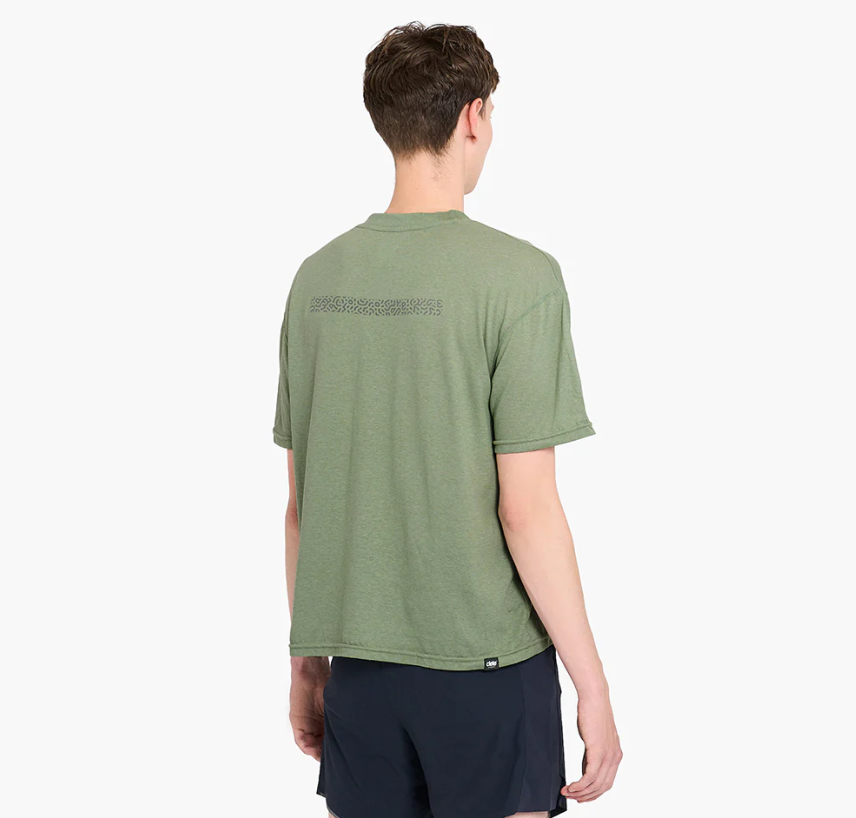
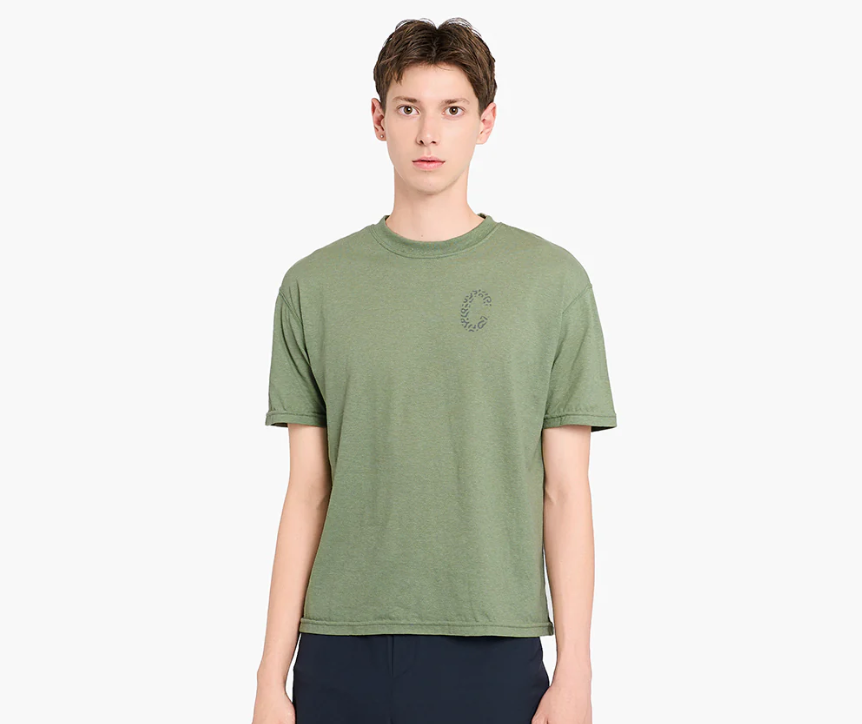
To put Ciele’s NSPTShirt to the test, they kindly sent me a pair to try out. My first impression of the shirt is that the front-facing logo and the decal on the back were pretty unnecessary, but most performance wear features tacky designs, so I’ll let it pass. I’m personally not a huge fan of brand logos being plastered on clothing. With the rise of quiet luxury, I would like to see more subtle branding rather than simple logo placements.
The shirt is overall soft to the touch, and the anti-chafing for my nipples does indeed work. Nothing worse than red nipples after a run session. A quick smell check passes all inspections, and I would definitely wear the NSPTShirt for my morning runs.
Overall, I am impressed by Ciele’s commitment to offering exceptional and sustainable products. Although I personally would not spend $85 for a single shirt, the price point does reflect the design and product’s material composition, and it doesn’t feel like an egregious markup.


