Homeowners interested in low-impact living often overlook the role a lawn plays in sustainability. Traditional turf requires constant input—water, chemicals, and weekend labor—but better options exist for people ready to make a change. Sustainable lawn design creates beautiful, functional landscapes while protecting natural resources and reducing long-term hassle.
Improve Water Efficiency Without Sacrificing Green Space
Drought-resistant grasses like fescue and buffalograss hold their color with minimal irrigation, even during high-heat months. Native plants positioned in grouped zones create microclimates that lock in moisture and reduce water waste. Homeowners using zoned layouts with deep-rooted plants cut water use in half without giving up lush surroundings.
Smart watering systems add even more control without increasing workload. Soil moisture sensors and zone-specific timers deliver water only when necessary, not on arbitrary cycles. One major advantage of sustainable lawn design and maintenance is the ability to reduce water bills while keeping your yard green and vibrant year-round.
Support Pollinators and Local Wildlife in Subtle, Stylish Ways
Lawns can support bees, birds, and butterflies without turning into a wild meadow. For example, clover blends and flowering groundcovers introduce pops of color while offering nectar and nesting space to essential pollinators.
Meanwhile, low-growing herbs and native perennials give life to the edges of your space without crowding walkways or sitting areas. There are numerous design and environmental considerations that go into creating a sustainable landscape design beyond being drought tolerant or native.
Seasonal rotation creates a rhythm that keeps wildlife engaged year-round. Monarchs favor milkweed in early summer, while goldfinches flock to late-season coneflowers. Another significant advantage of sustainable lawn design and maintenance is the way it strengthens the ecosystem right outside your door—without sacrificing visual polish.
Save Money and Reduce Labor With Smarter Upkeep Choices
Switching from traditional turf to low-mow varieties like eco-lawn blends immediately cuts back on weekend maintenance. Some homeowners reduce mowing to once a month while keeping their yard tidy and well-groomed. Groundcovers like creeping thyme or sedum eliminate mowing altogether in select zones.
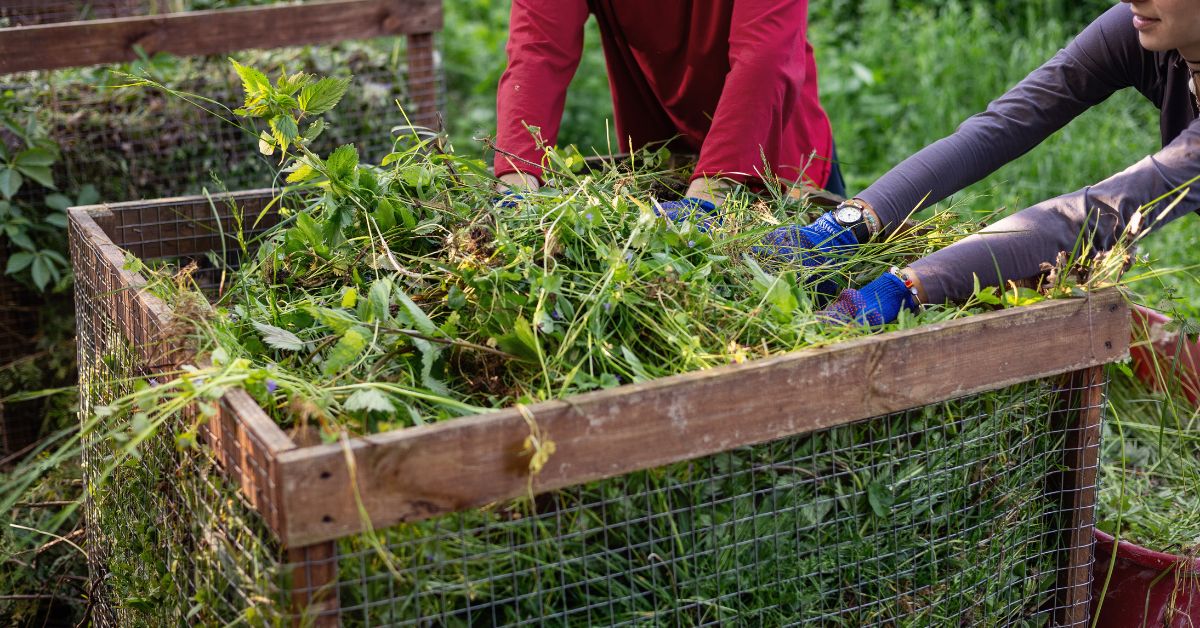
Sustainable design also limits the need for expensive inputs. Compost improves soil fertility without synthetic fertilizers, and organic mulch blocks weeds without chemical sprays. Upfront investments in long-lasting materials—such as quality clippers or electric mowers—replace constant purchases like fuel, treatments, or lawn repair kits.
Create A Lawn That Feels More Personal and Purposeful
A well-planned lawn reflects how a household lives, not just how it looks from the curb. Curved pathways, intentional seating zones, and kid-friendly play pockets transform outdoor areas into usable extensions of the home. Replacing one-size-fits-all turf with functional layouts makes the space feel considered and welcoming.
Color and texture play a huge role in visual appeal. Soft grasses meet bold native flowers, while edible herbs provide fragrance and functionality. Designing with purpose creates a lawn that looks great and fits seamlessly into everyday life.
Every element in a sustainable lawn—from the plants to the layout—offers value beyond appearance. Smarter choices reduce waste, save time, and make outdoor space more enjoyable to use. Sustainable design doesn’t just work for the planet—it works for you, too.


